



We aren’t an insurance provider – we don’t participate in any plan’s network. But we do submit your claim for you, and your insurer reimburses you directly. If you have coverage, you still use it here. What we can’t do is promise what they’ll pay: that comes down to your specific policy. If a claim is denied or underpaid, we’ll resubmit it one more time.
Which is really the point of the word coupon. The patient is responsible for payment; the plan reduces what you end up paying. Fees are paid before or at the time of service, so nobody’s treatment sits waiting on a claim to process – the reimbursement finds its way to you afterward.
Dental coverage began in the 1950s as a union benefit, and by the time this practice opened in 1968, a typical plan capped out around $1,000 a year. That was real money then – enough to handle meaningful care. Roughly a third of plans still cap in that same range today, while the cost of dentistry has climbed past it many times over.
Staying out of networks is a deliberate choice – not a knock on the practices that do. A network contract fixes what you can charge for every procedure, well below a practice’s normal fee. That math only resolves one way: to charge less, you have to see more people and do more work in less time. It isn’t a character flaw, it’s arithmetic. We’d rather run hour-long appointments and up to 90 minutes for a new patient exam, and the only way to do that is to have nobody else setting our fees. It also keeps the calendar out of it – when benefits reset every January, there’s a quiet pull to sequence treatment around the plan year instead of around your mouth.
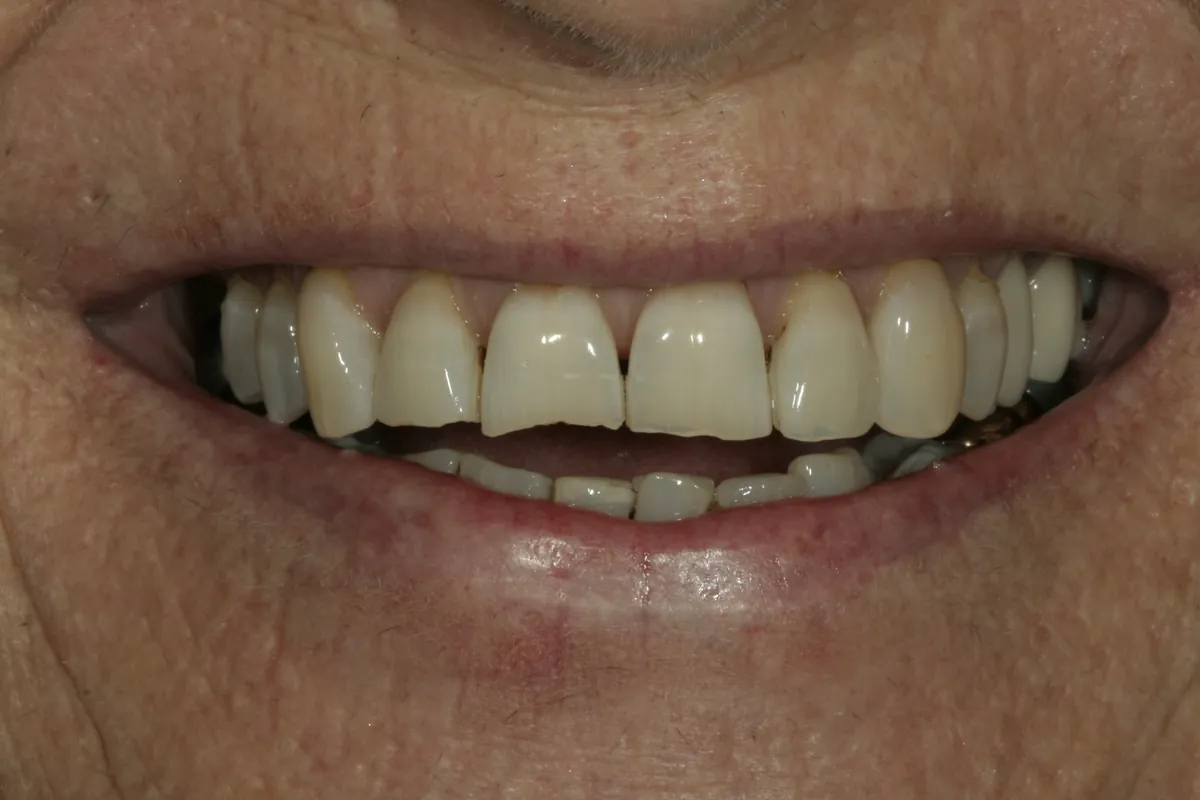
And for the cases that matter most, the cap doesn’t move. Fall and break a front tooth, and an implant and crown might be the right fix – but your plan still pays out to that same $1,000 or so it always has, whether the real cost is $1,000 or $8,000. Insurance was never built to carry real dental work. It just wasn’t designed for it.
Imagine if homeowners insurance worked the same way: your house burns down, and your policy pays out a predetermined $1,000 to $2,000 – but it’ll happily cover a portion of your window cleaning twice a year. That’s dental insurance.
This is the same belief behind everything else here: the right plan is the one built around your case – not the one that maximizes what an insurance company is willing to put on the table.
Read the full explanation: Why We Aren’t an Insurance Provider →
We’re not big on debt, but we understand not everyone feels that way – some people are used to paying over time, or simply prefer to manage their own cash flow that way. That’s exactly what financing through CareCredit or Cherry is for: not something we push, but an option offered to break down a barrier when cost is what’s standing between you and care you need. You can check your pre-approval before your visit, with no obligation to use it.
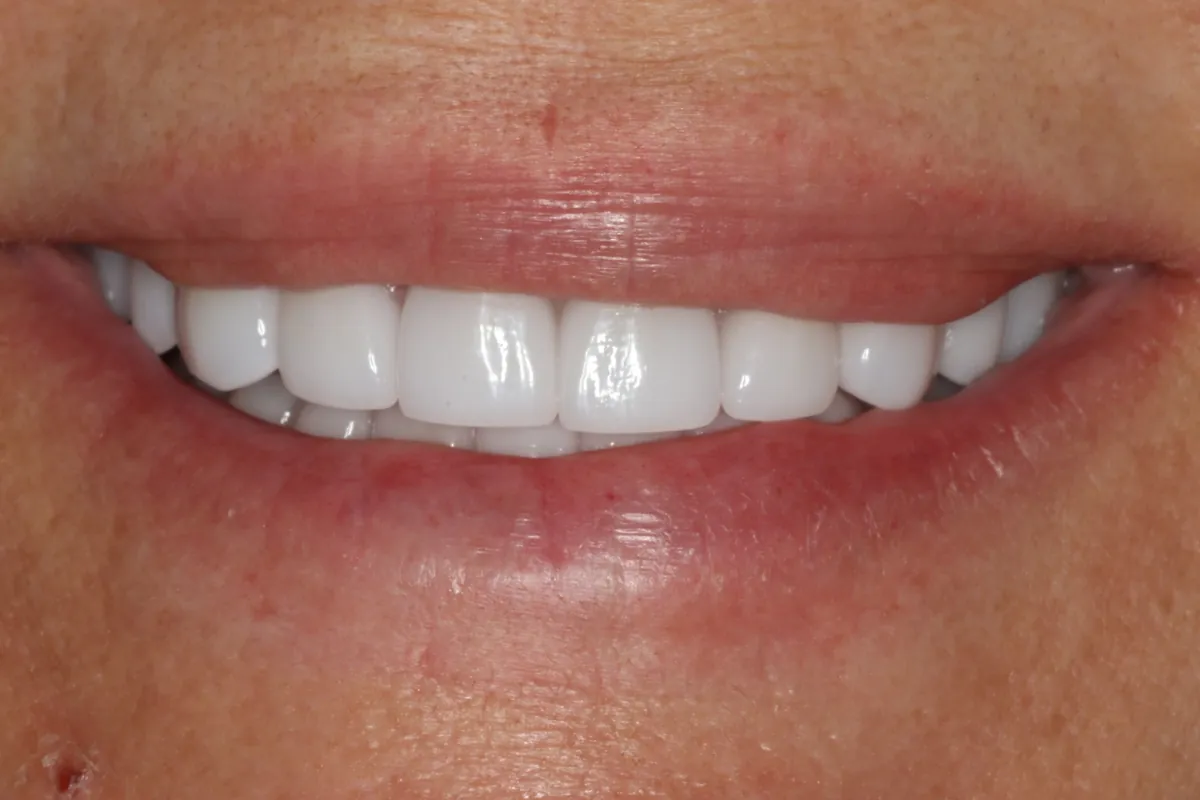
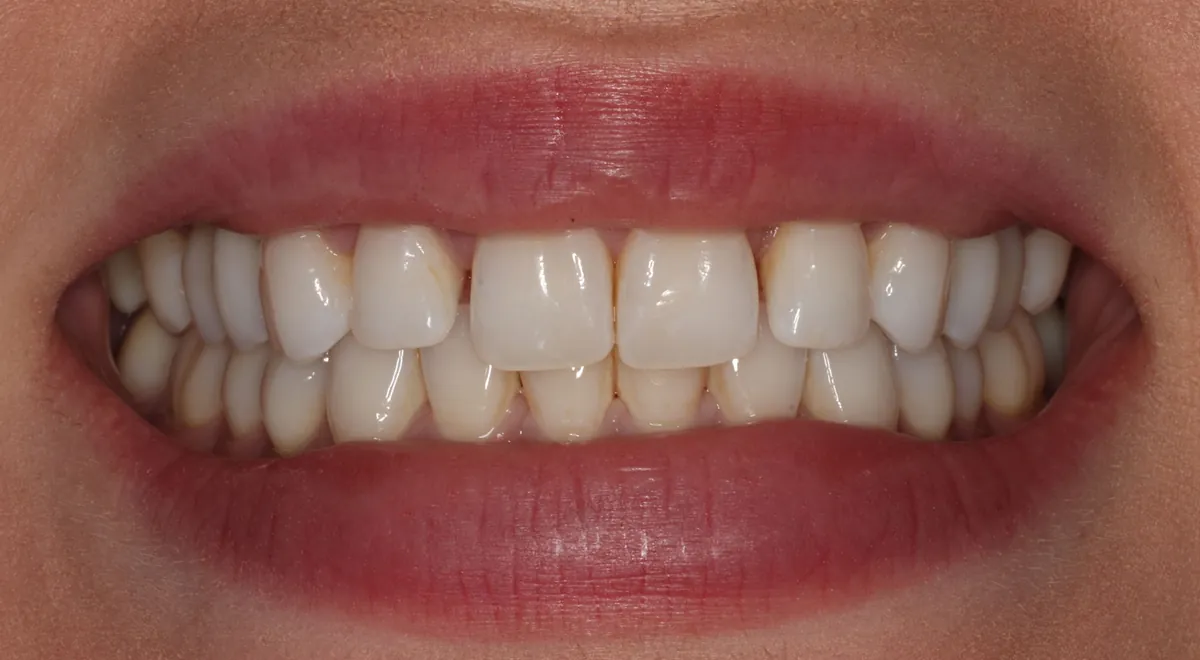
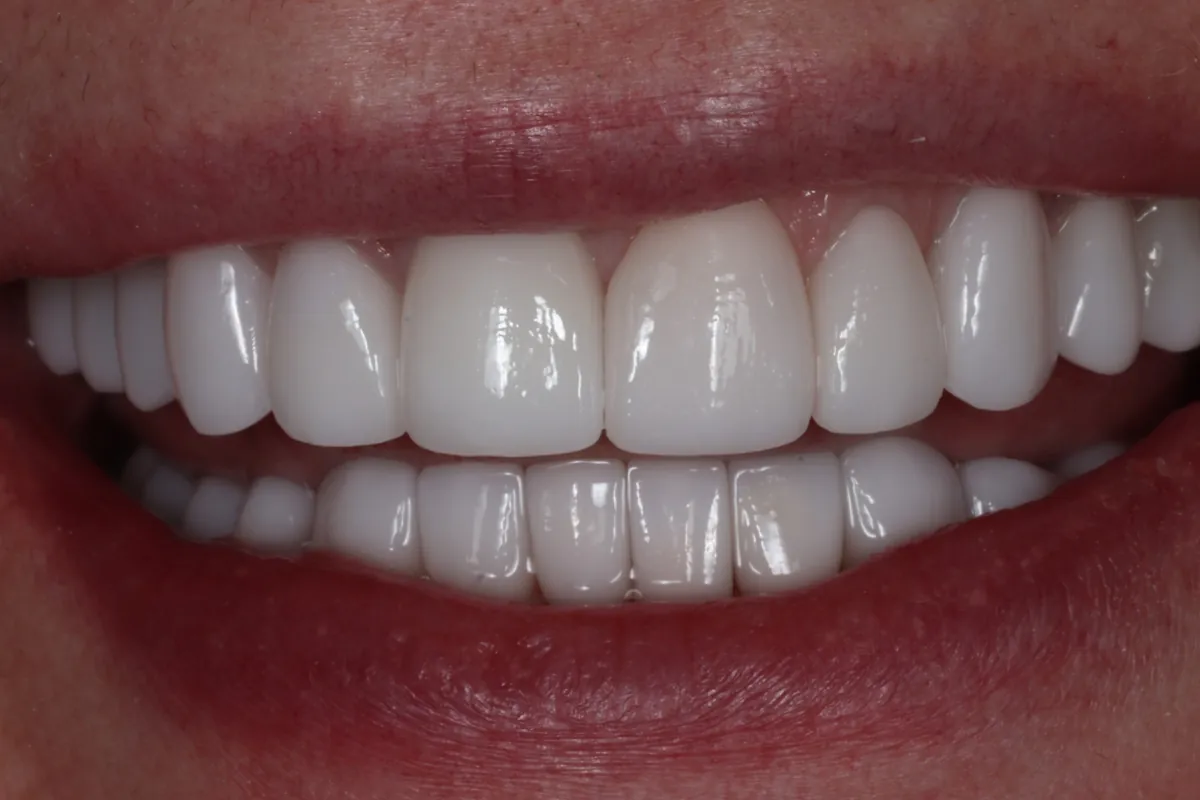
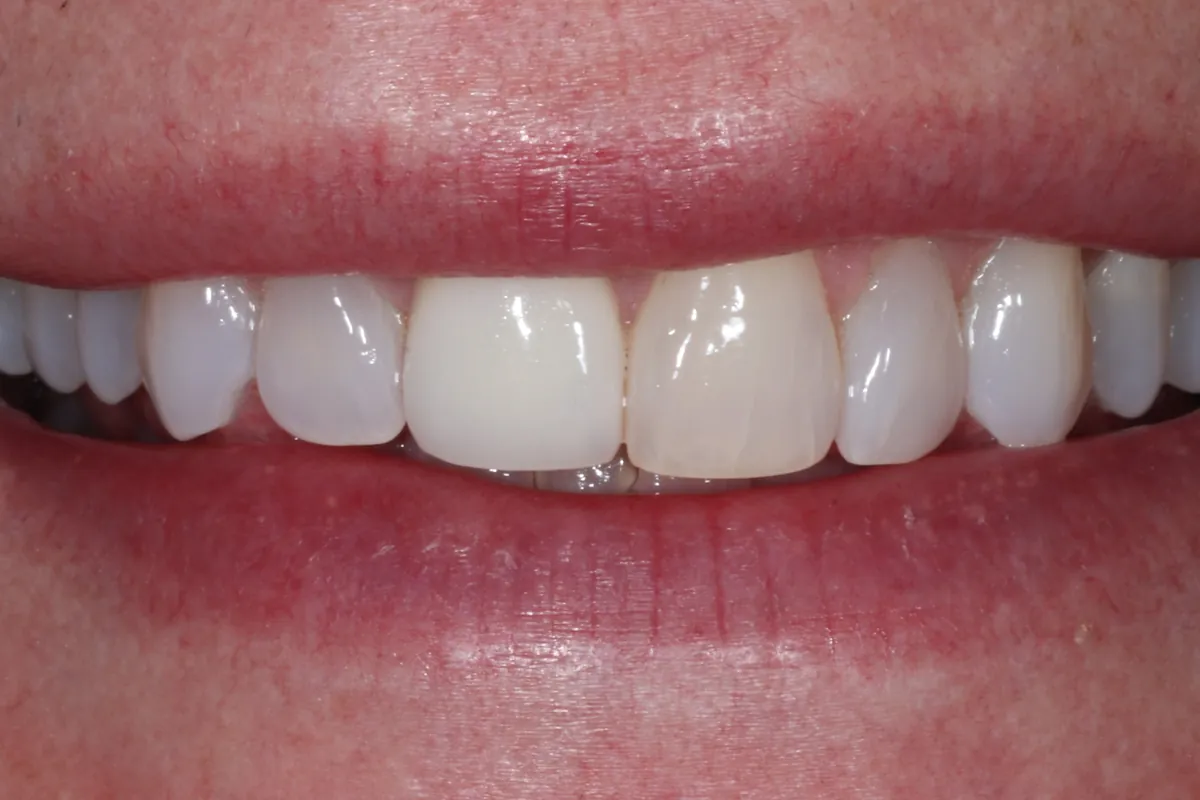
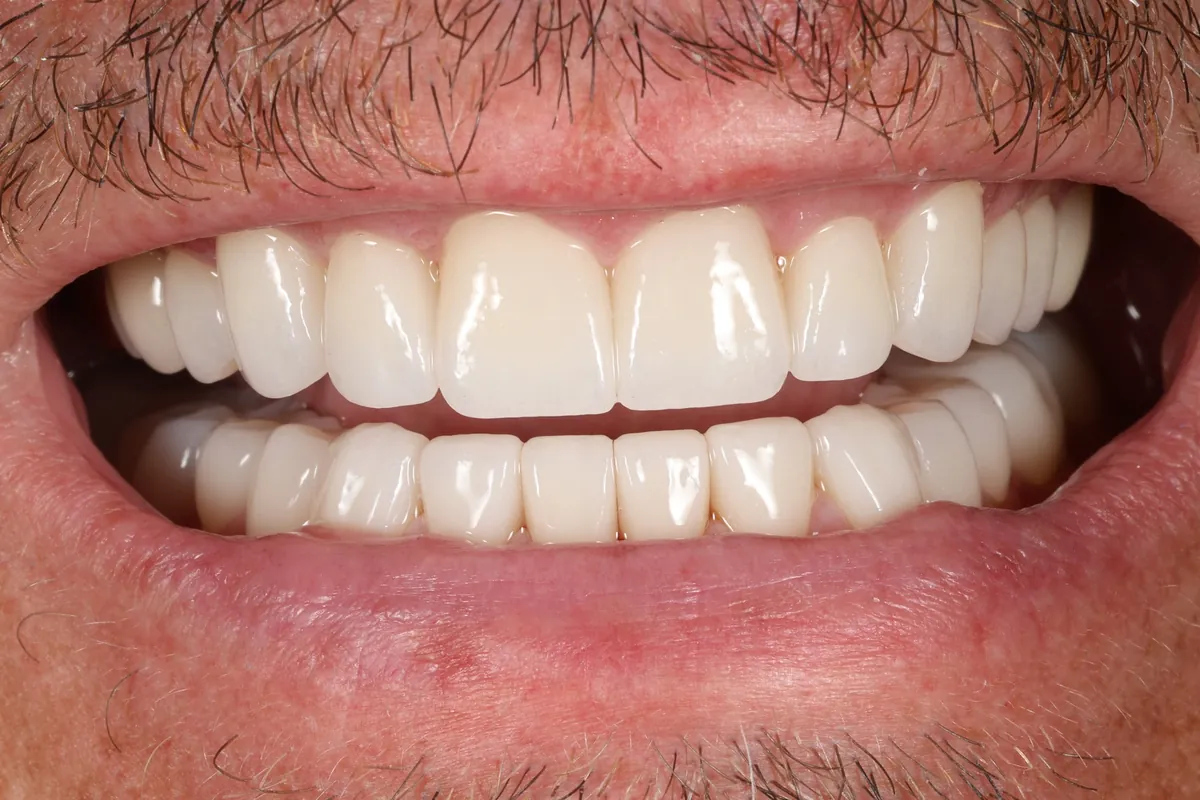
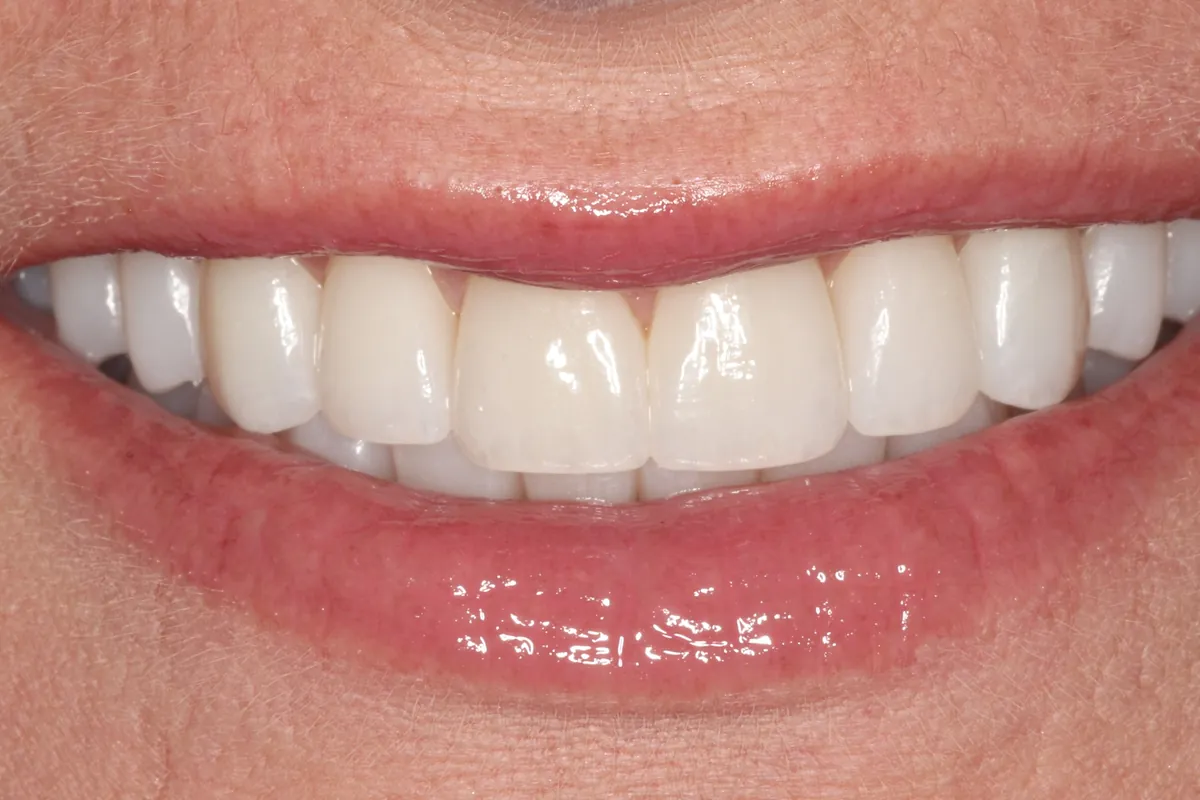
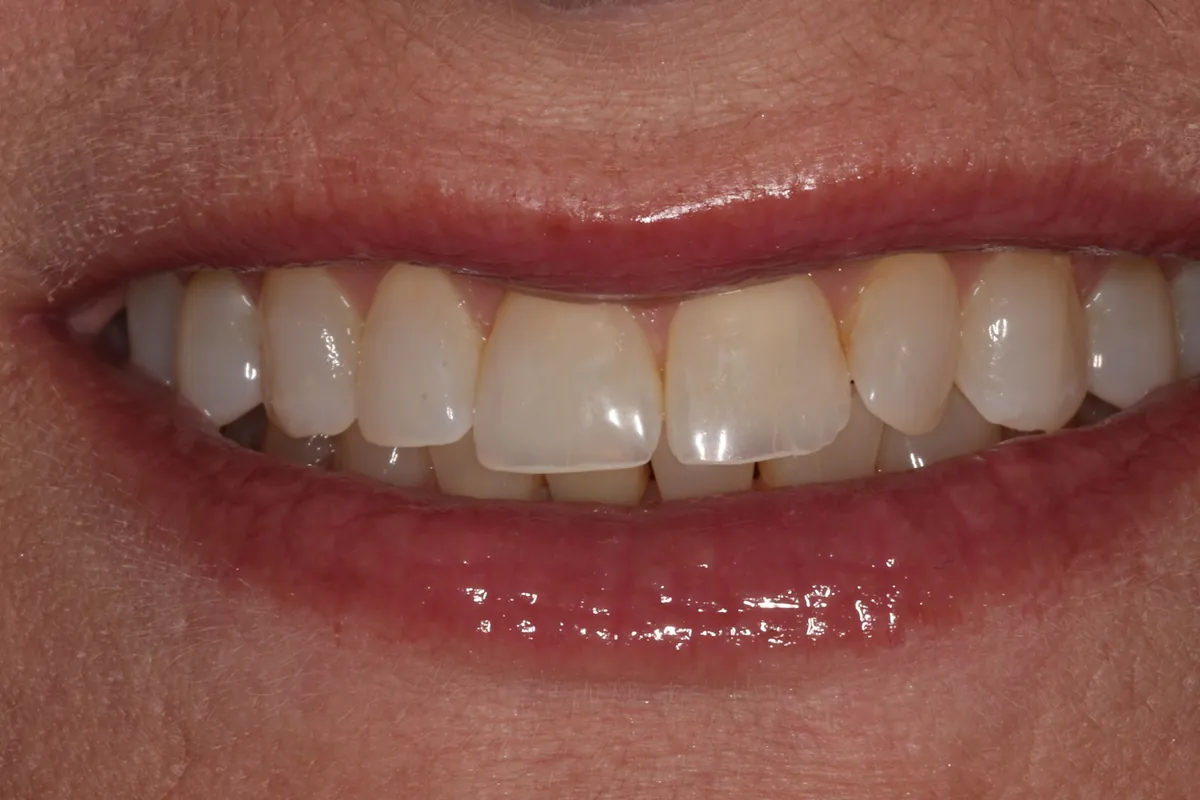
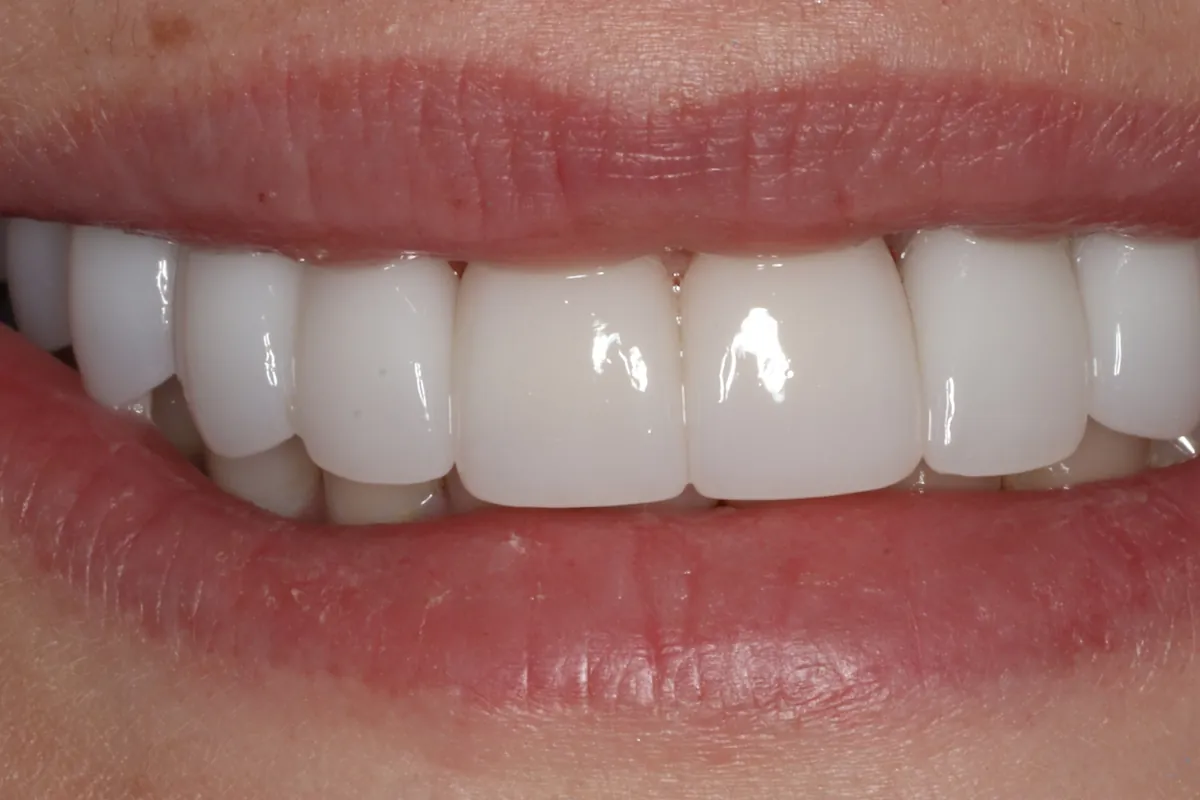
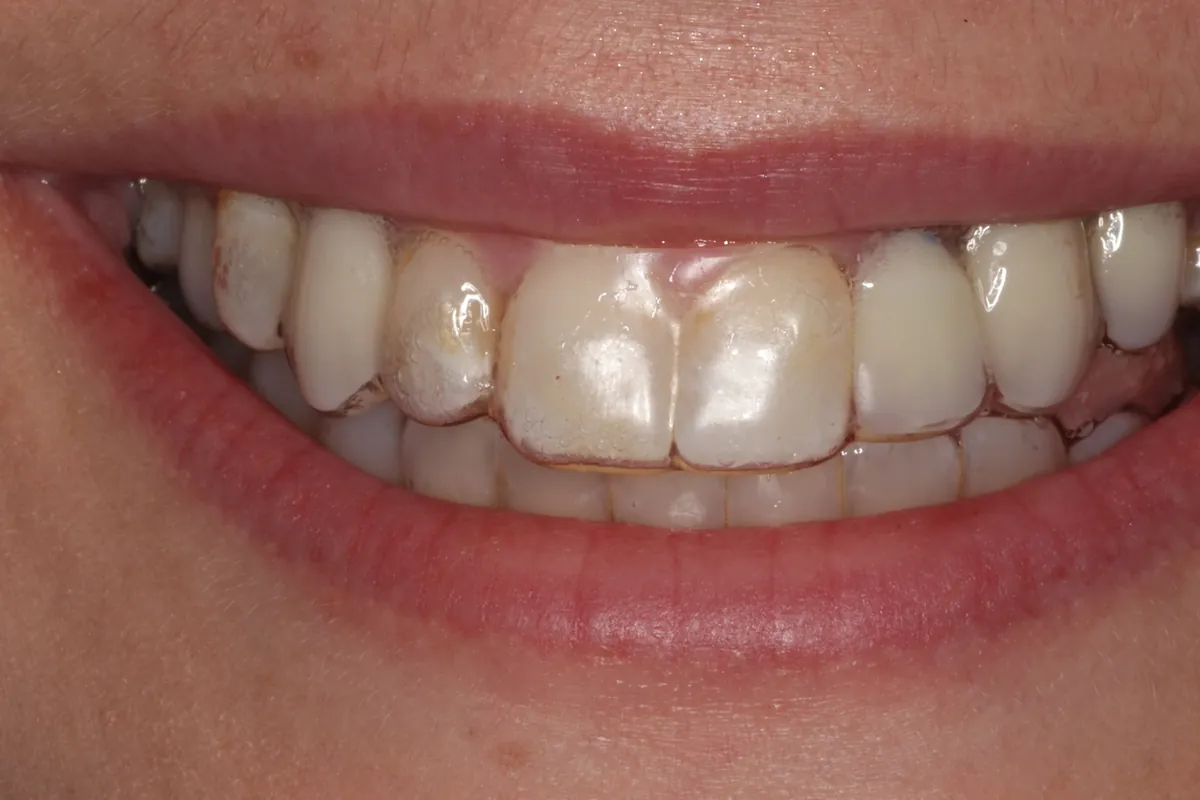
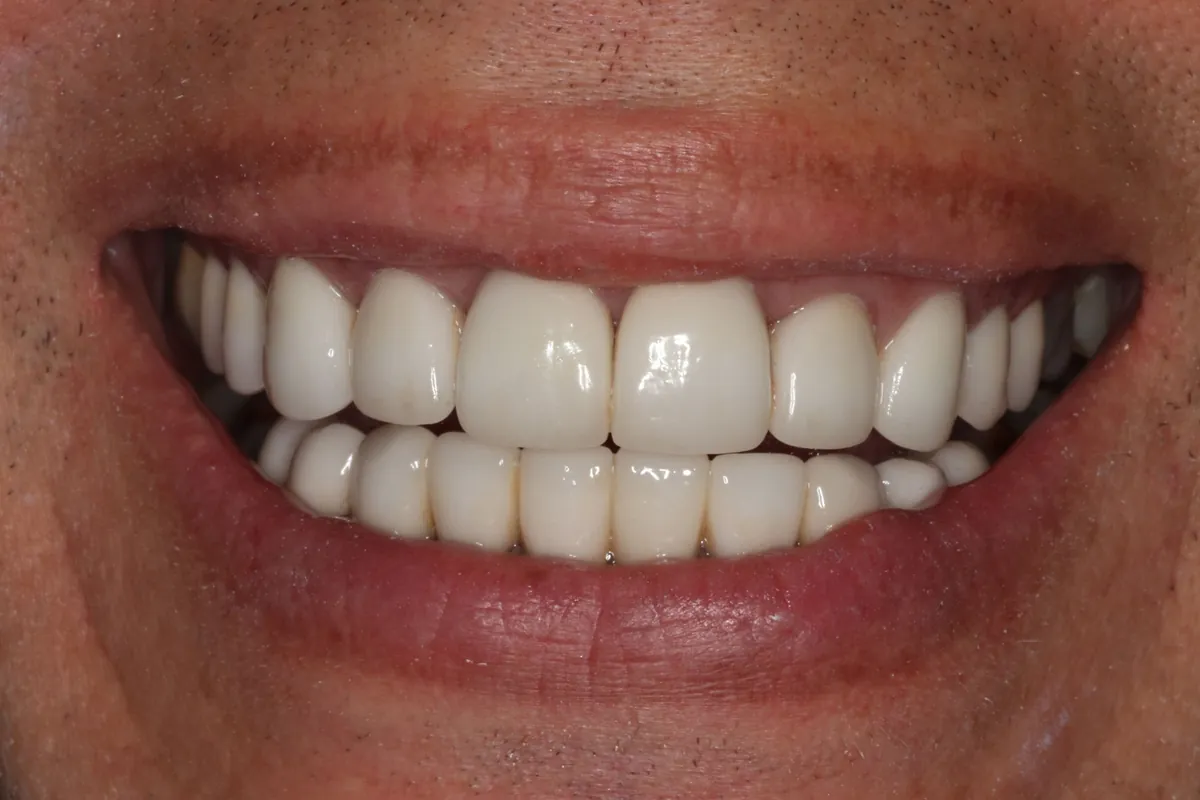
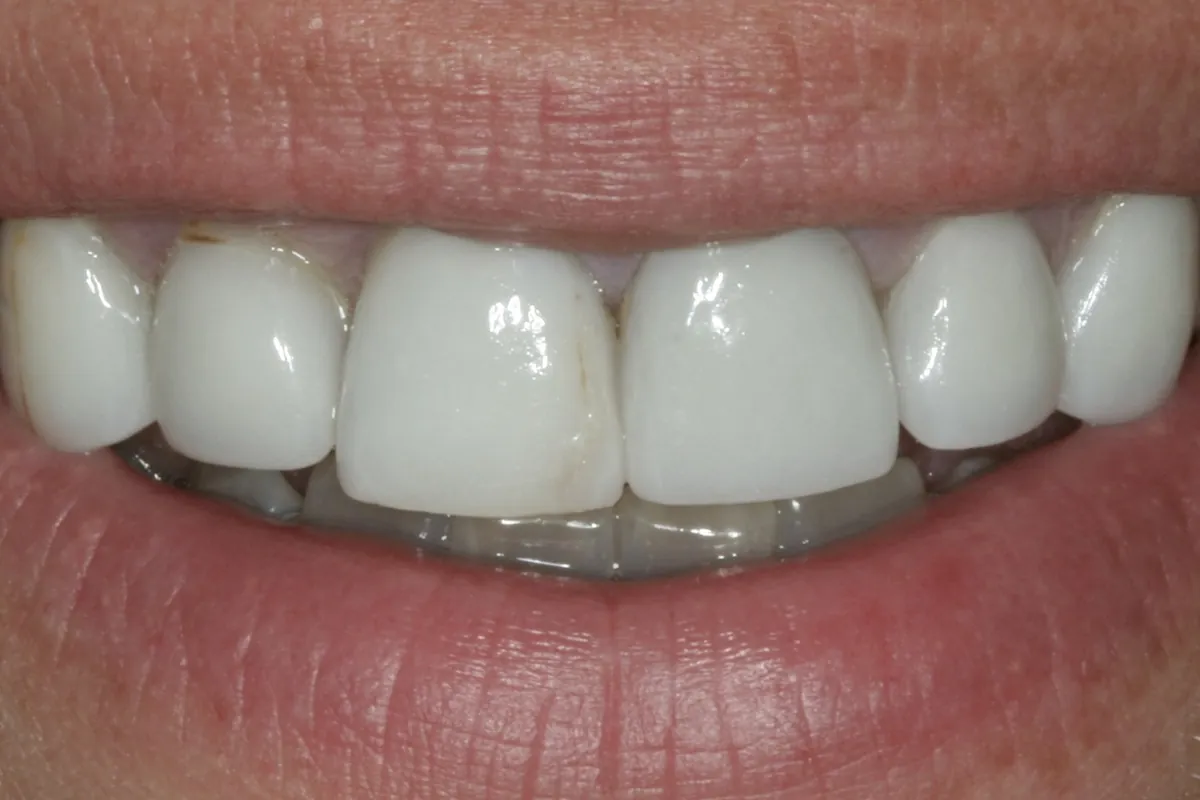
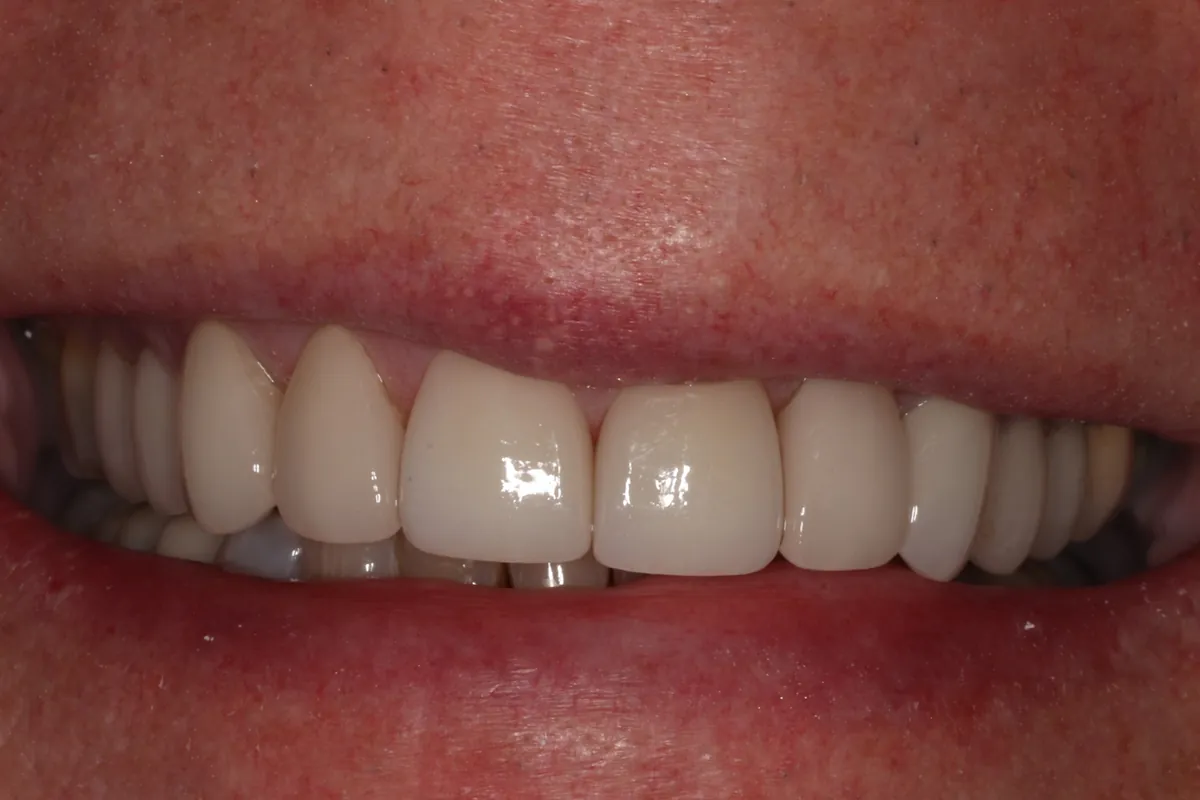
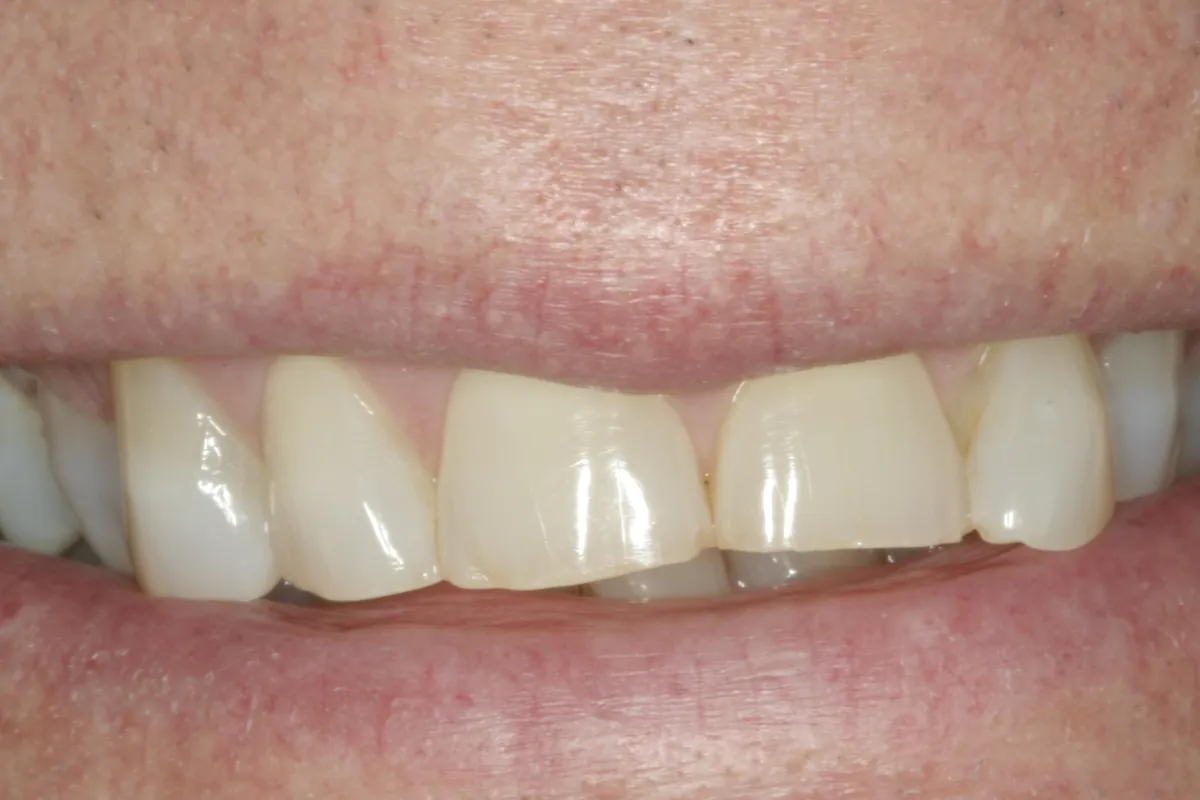
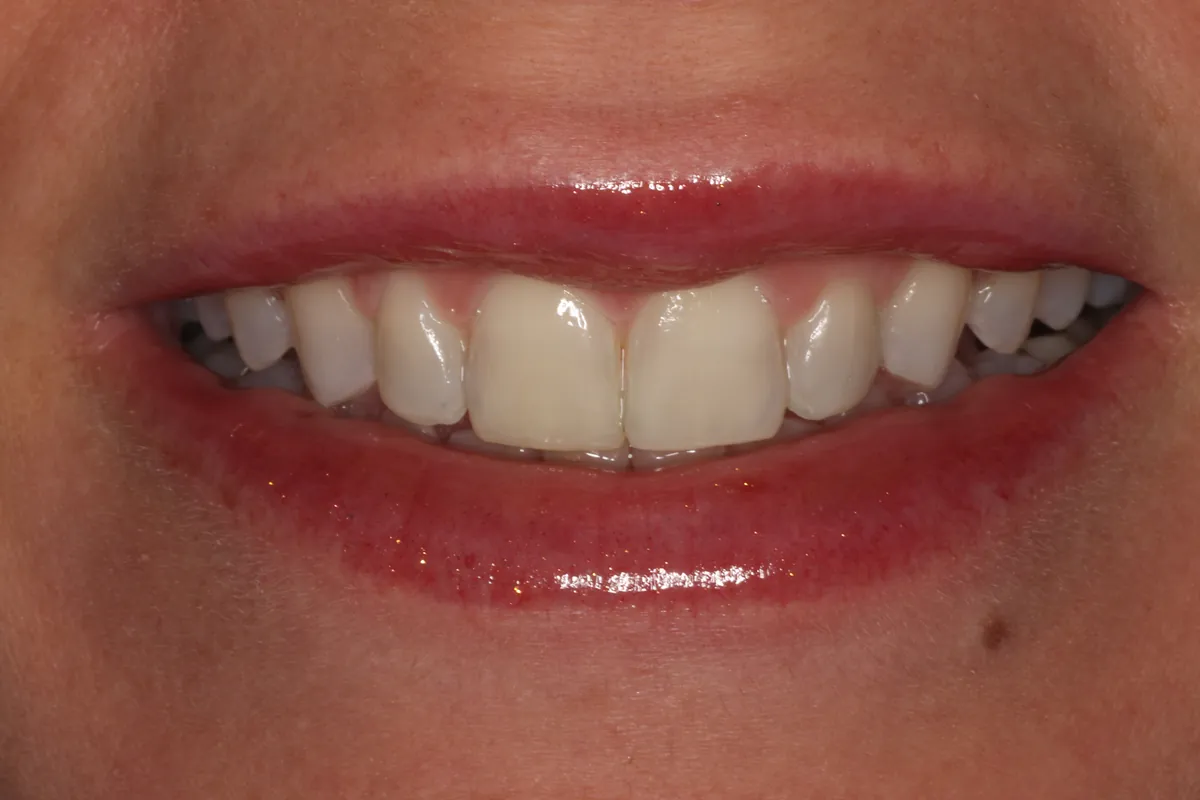
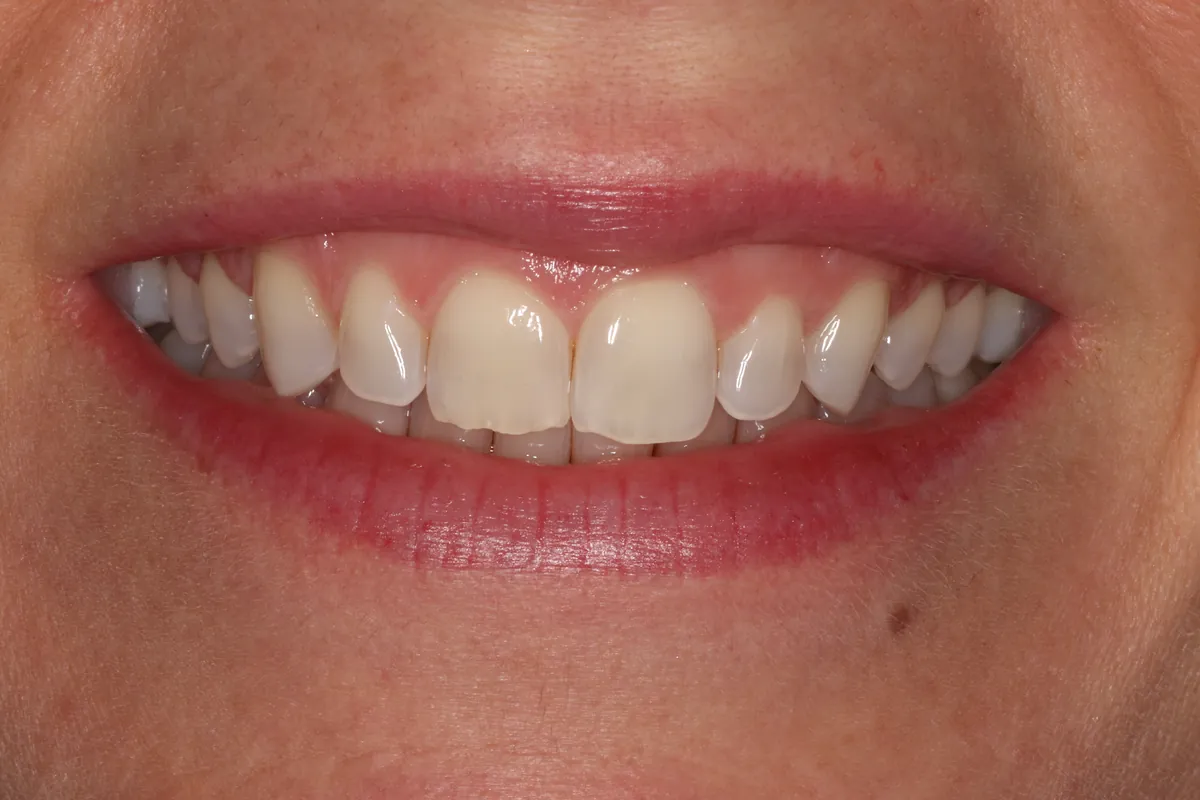
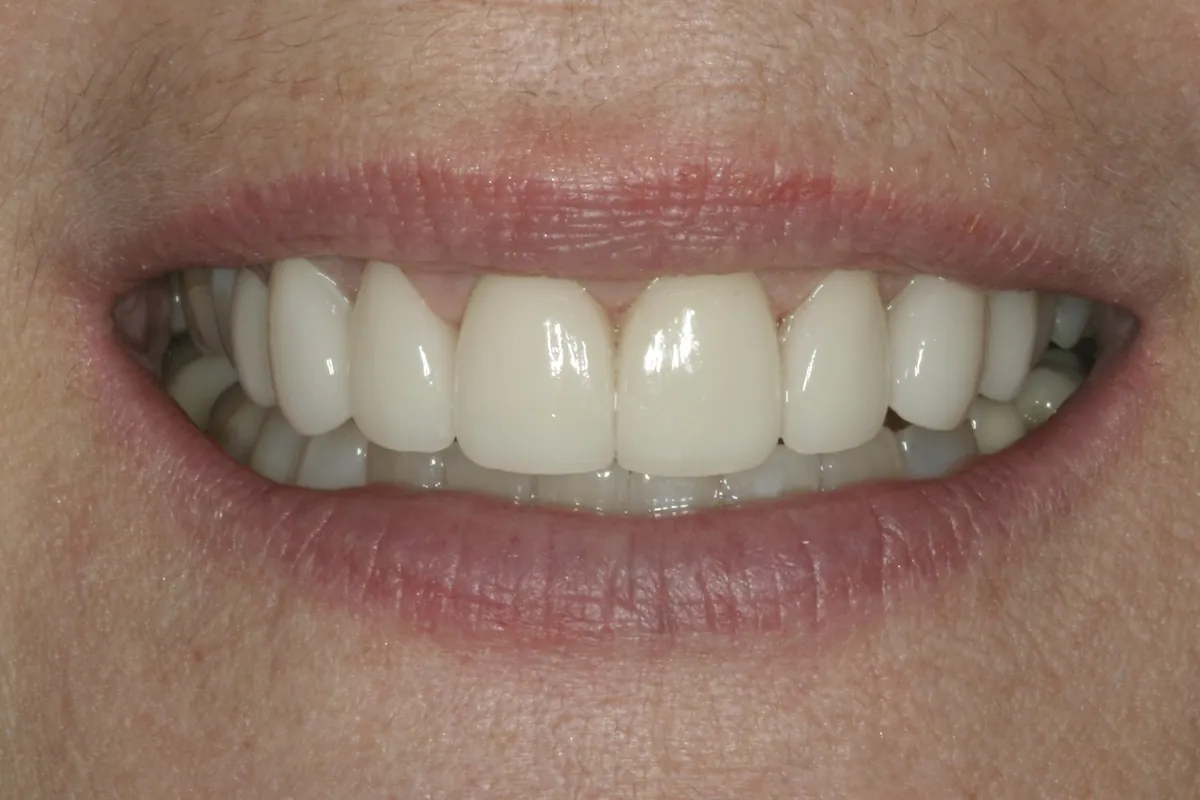
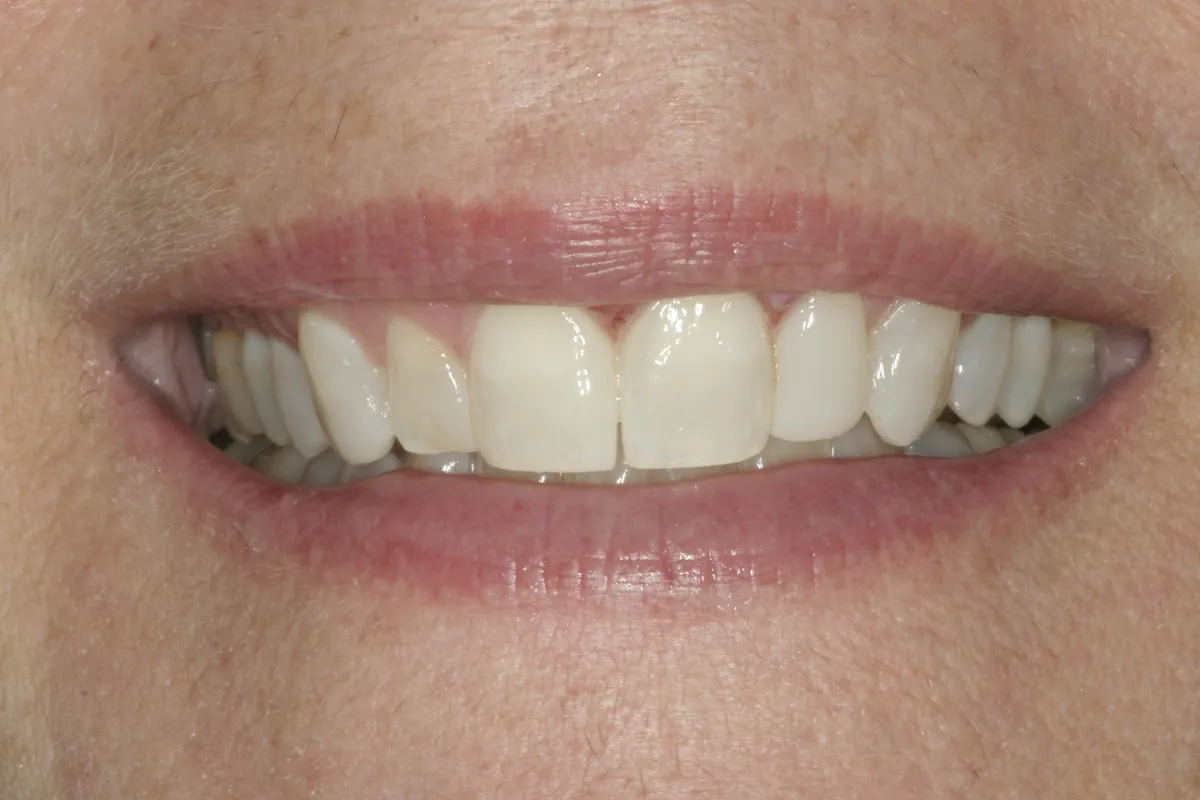
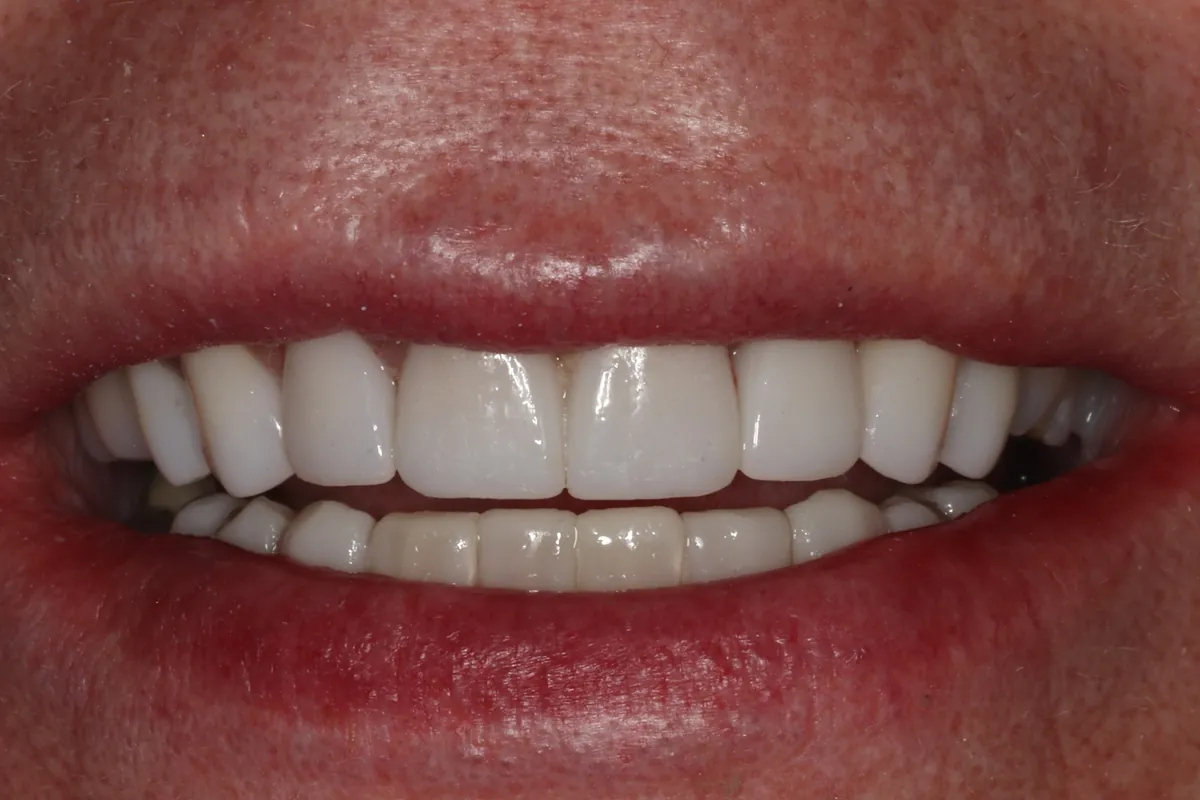
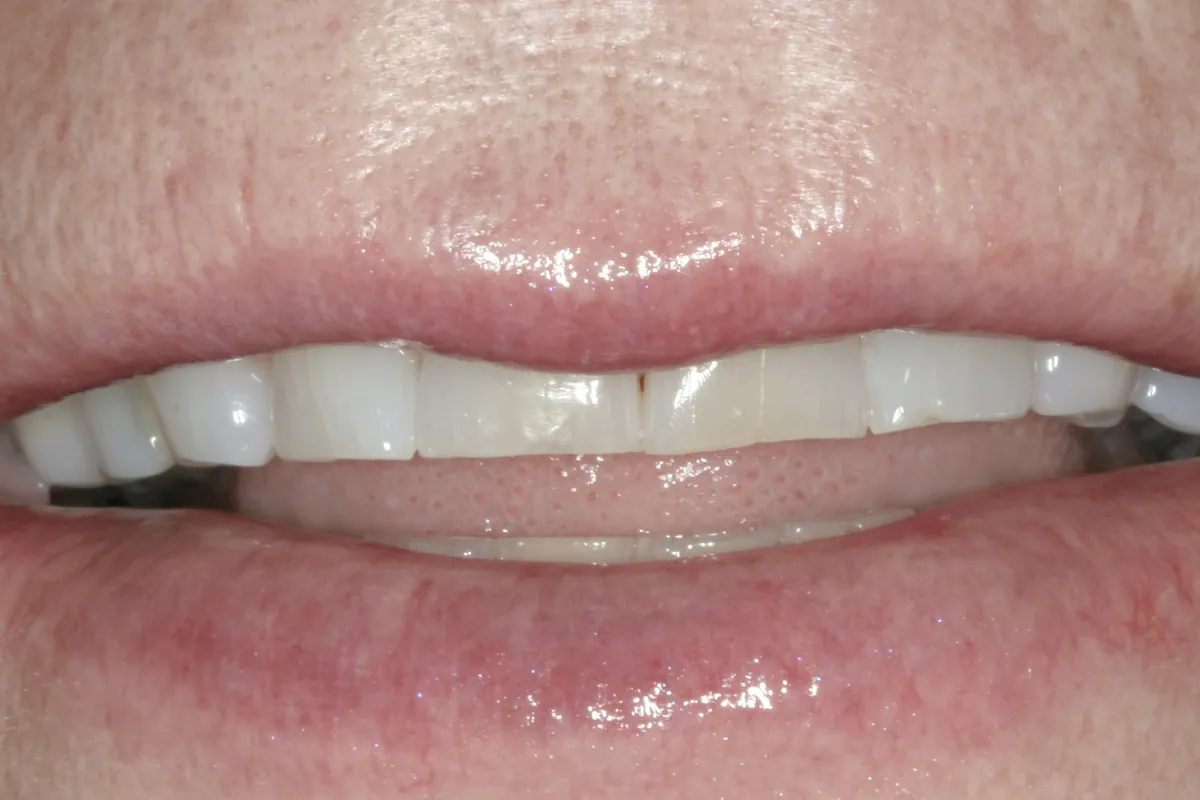
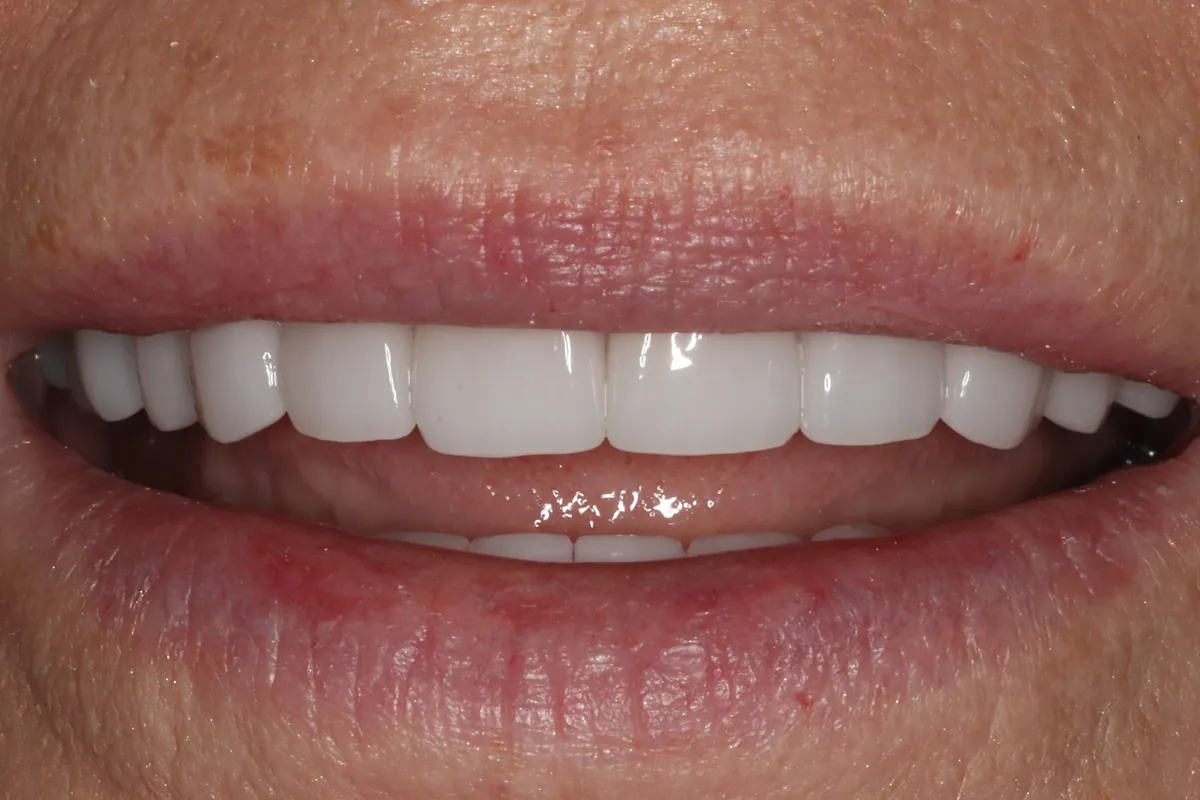
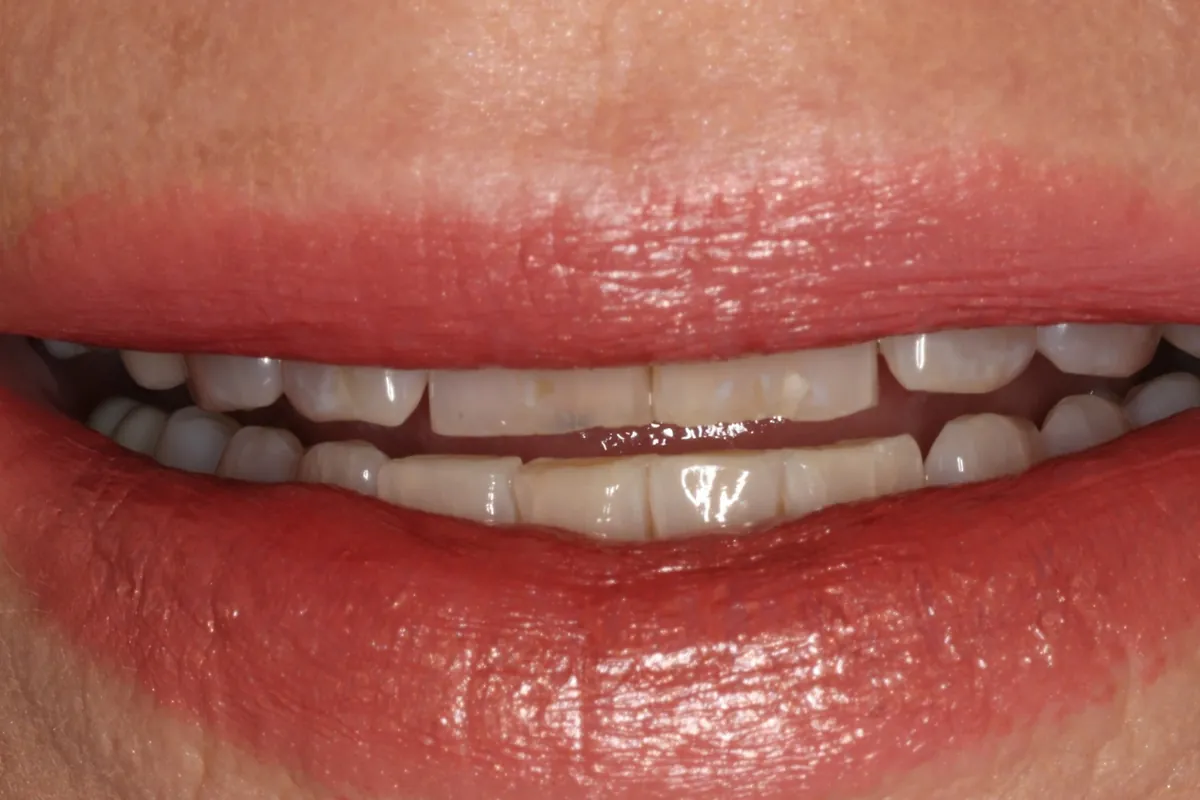
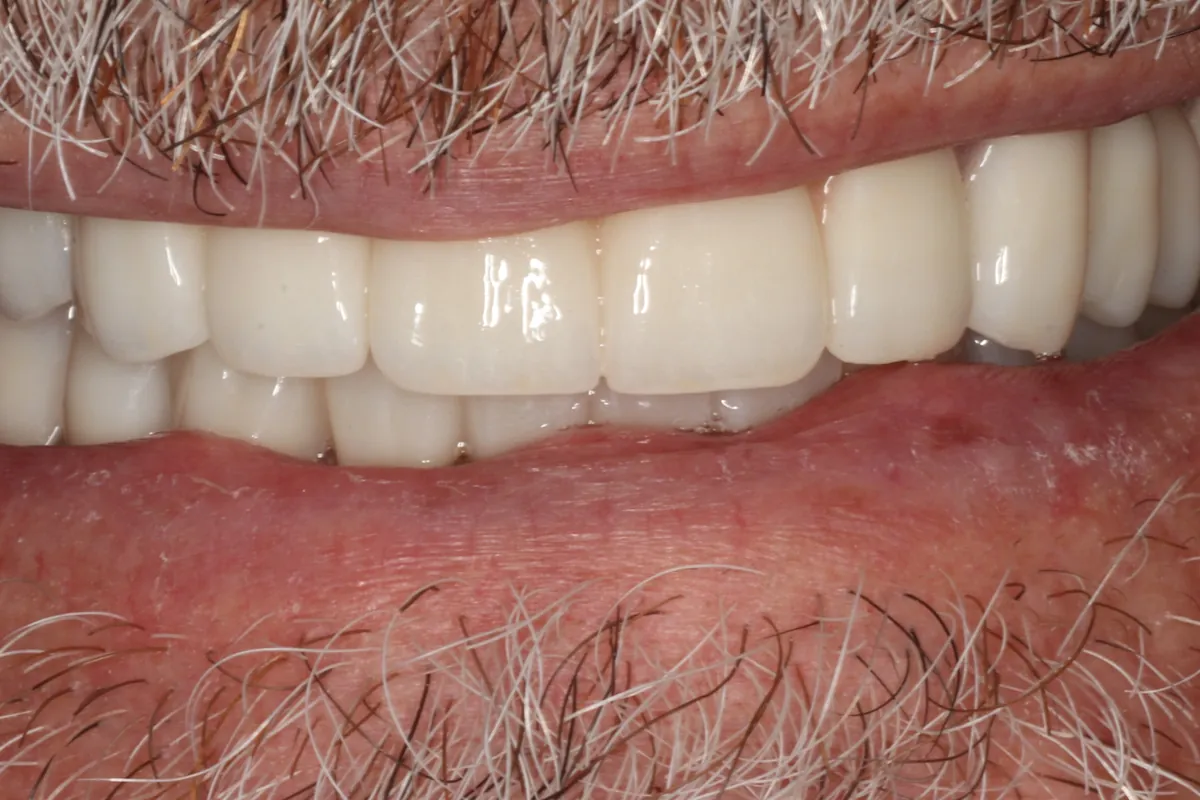
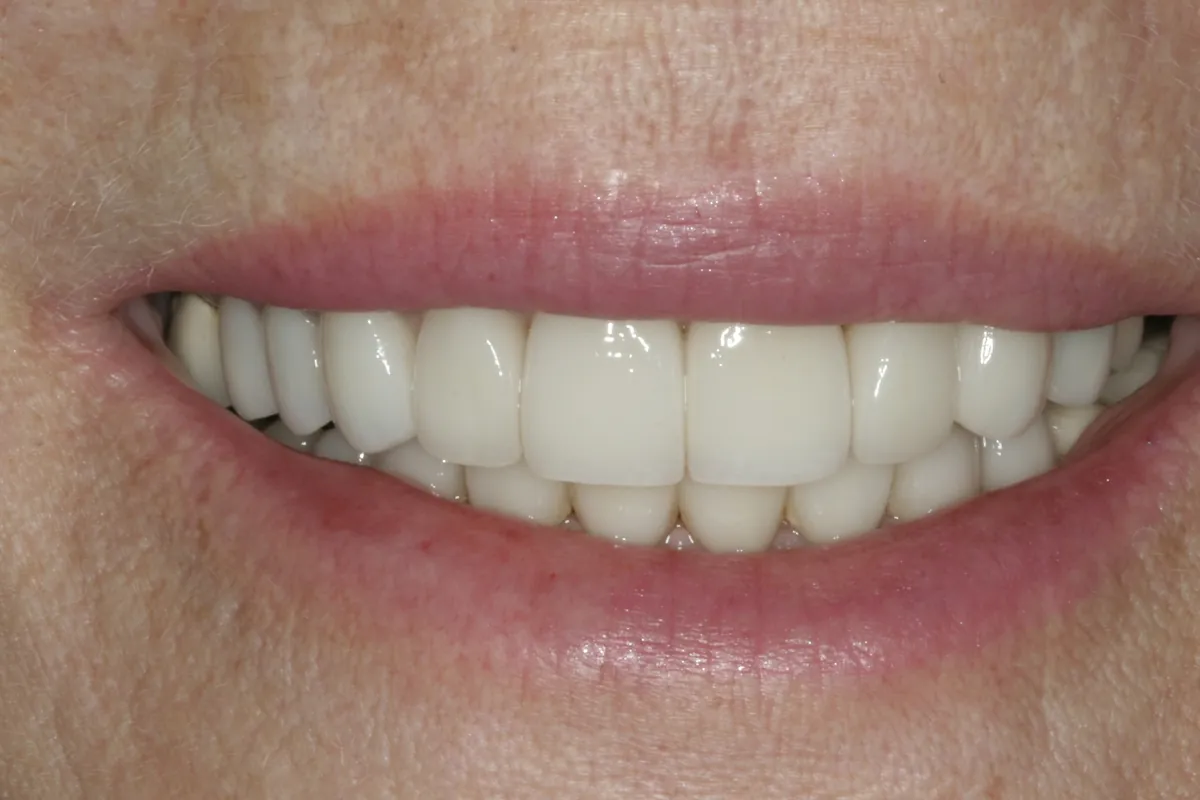
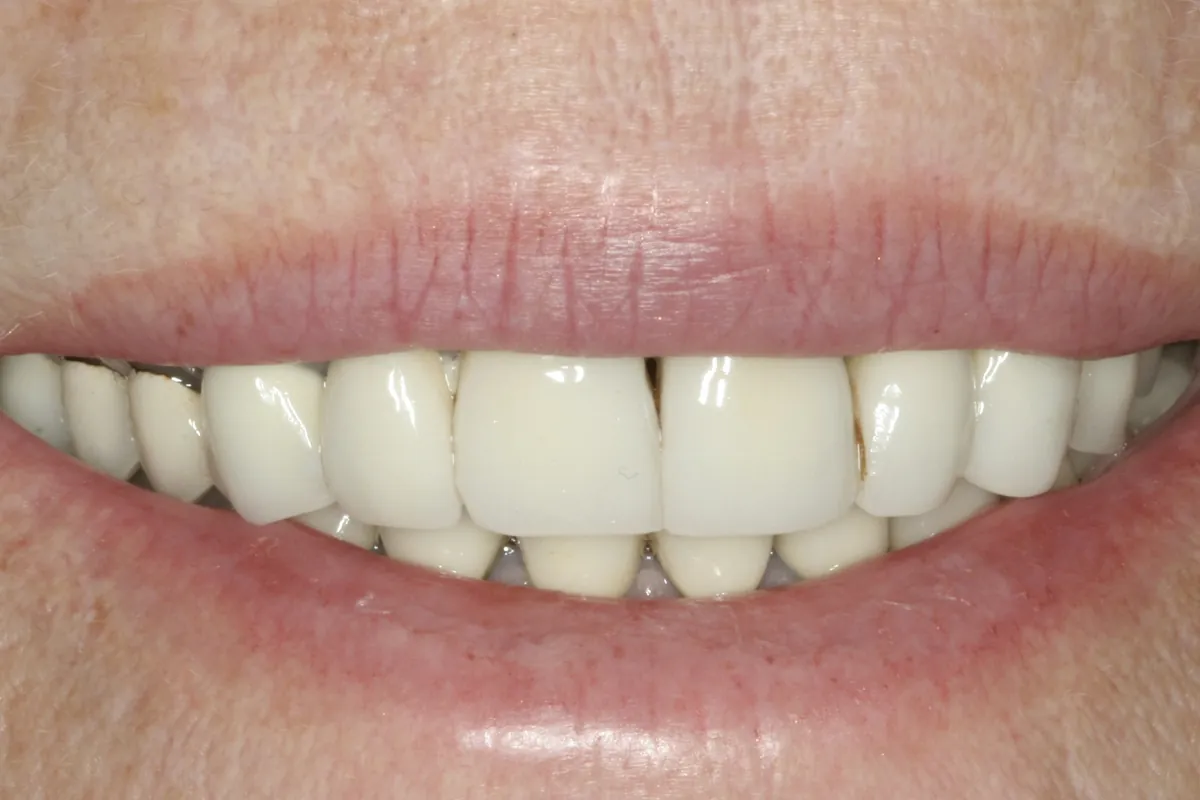
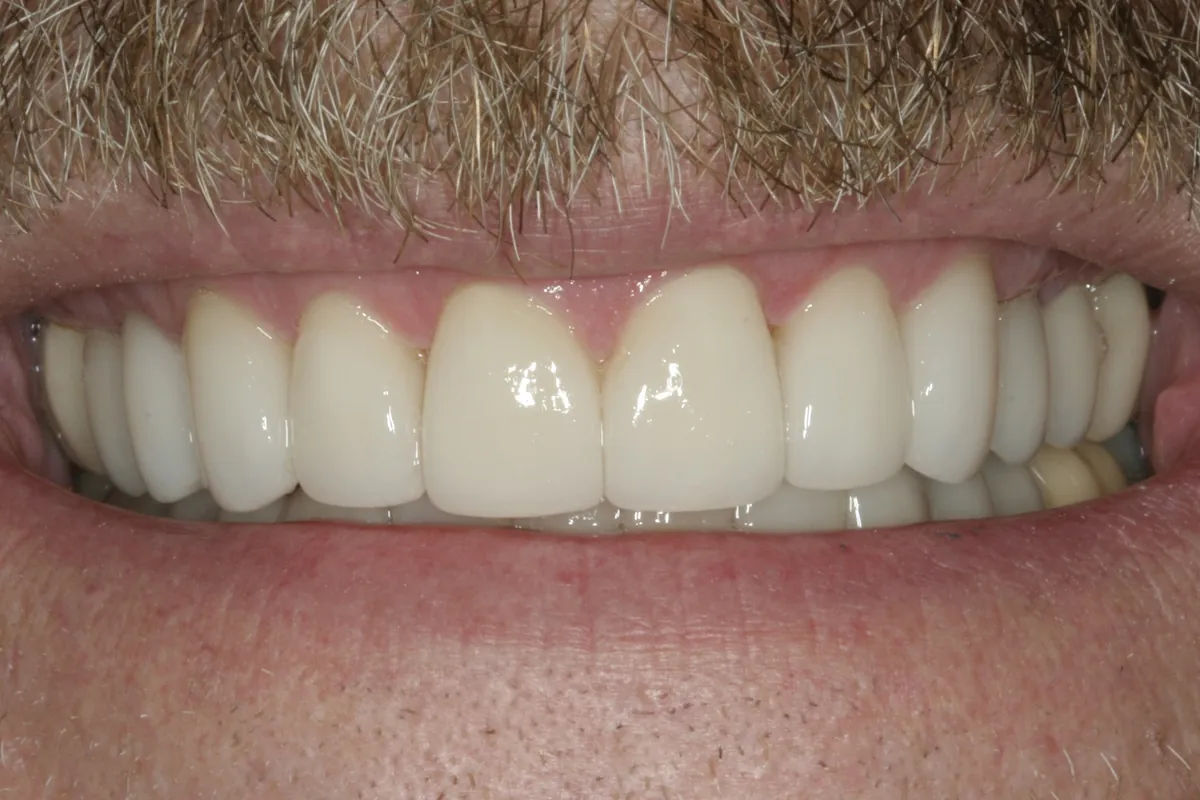
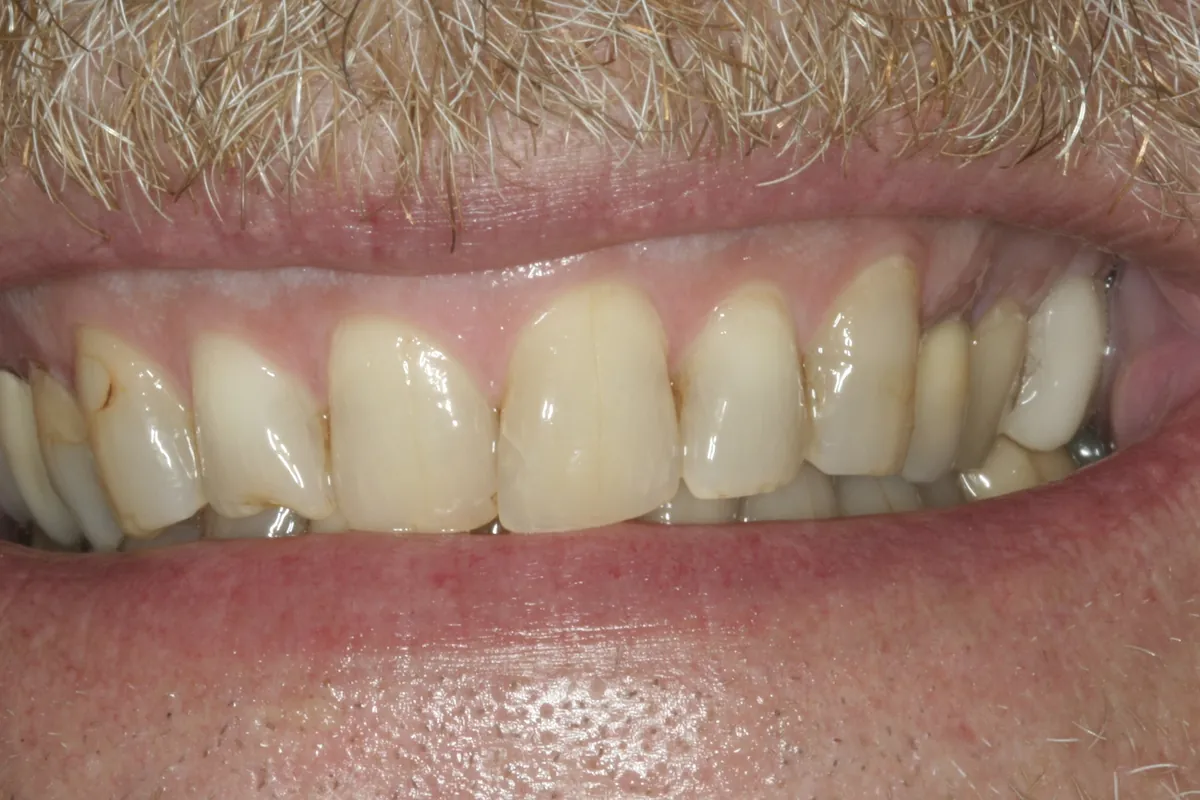
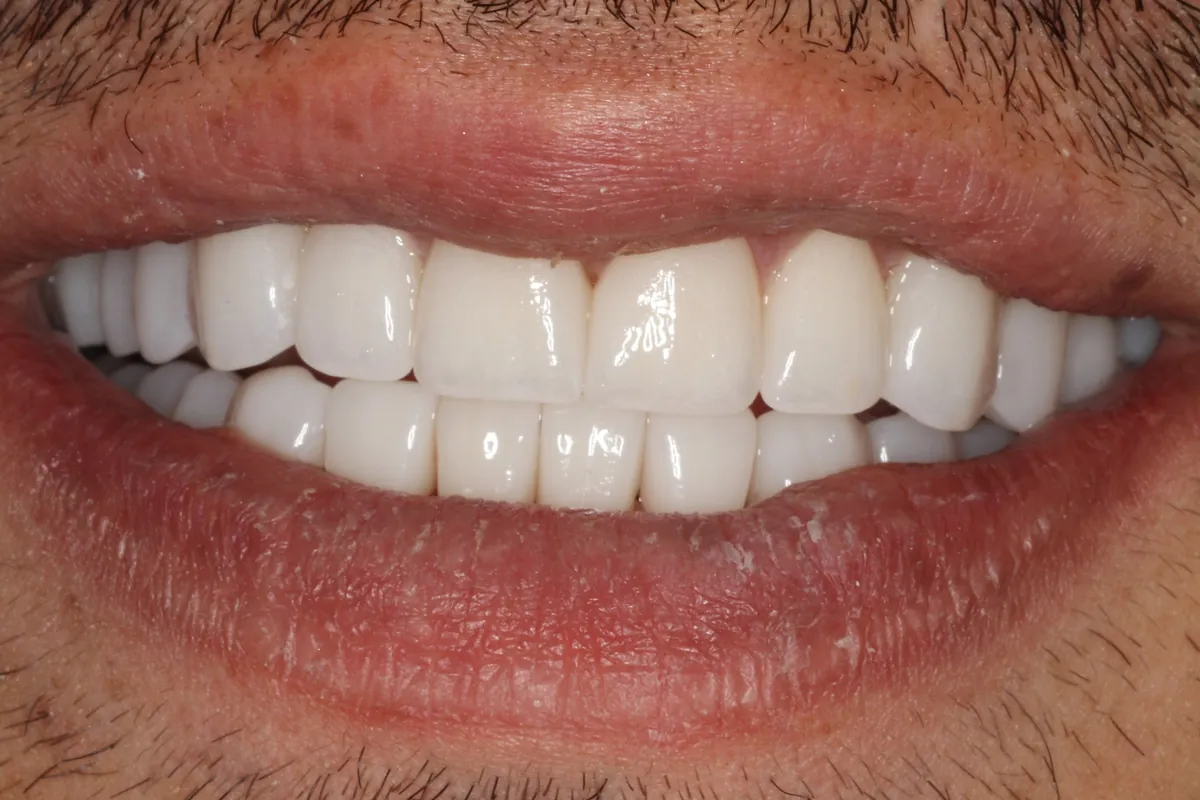
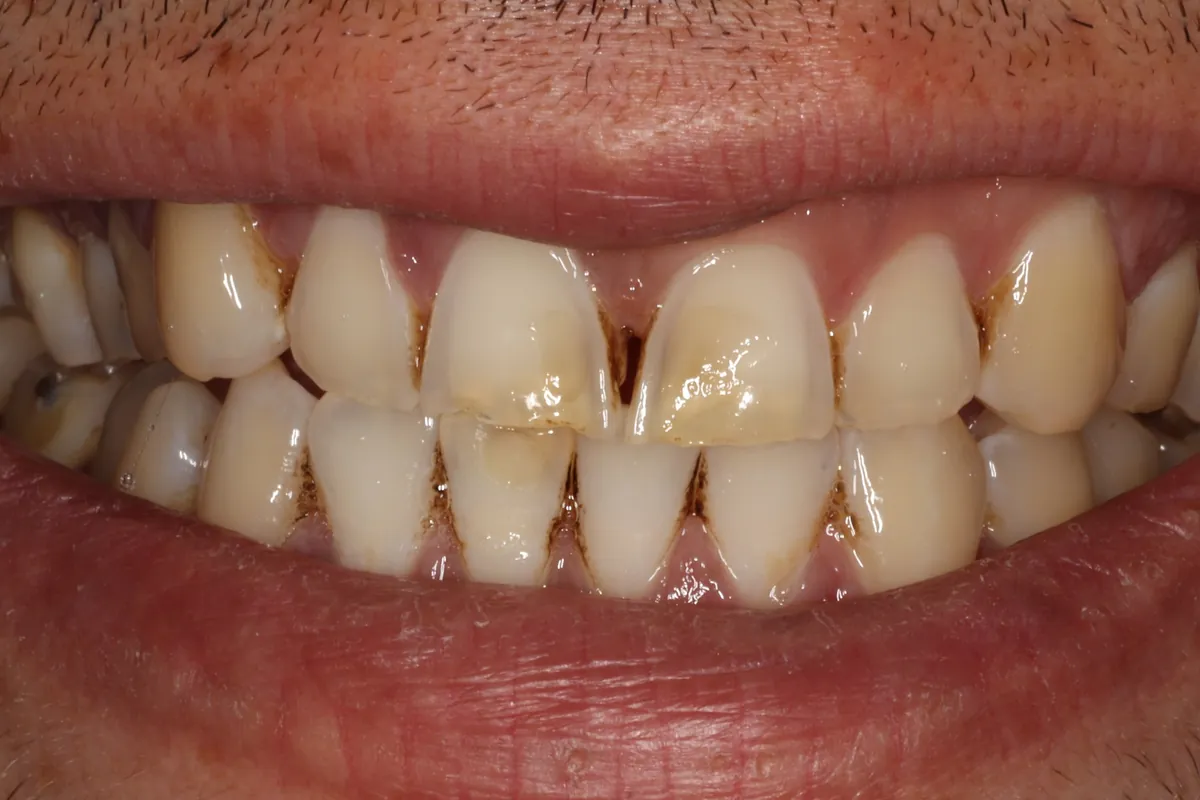
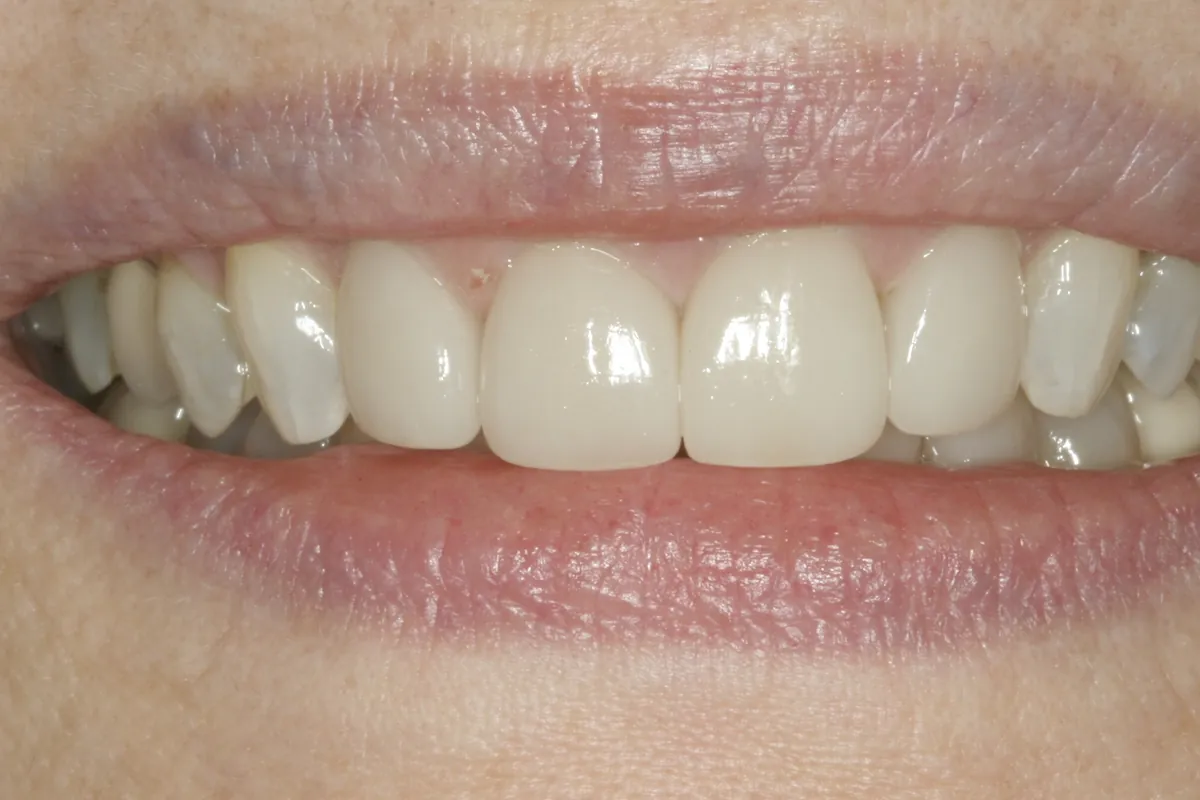
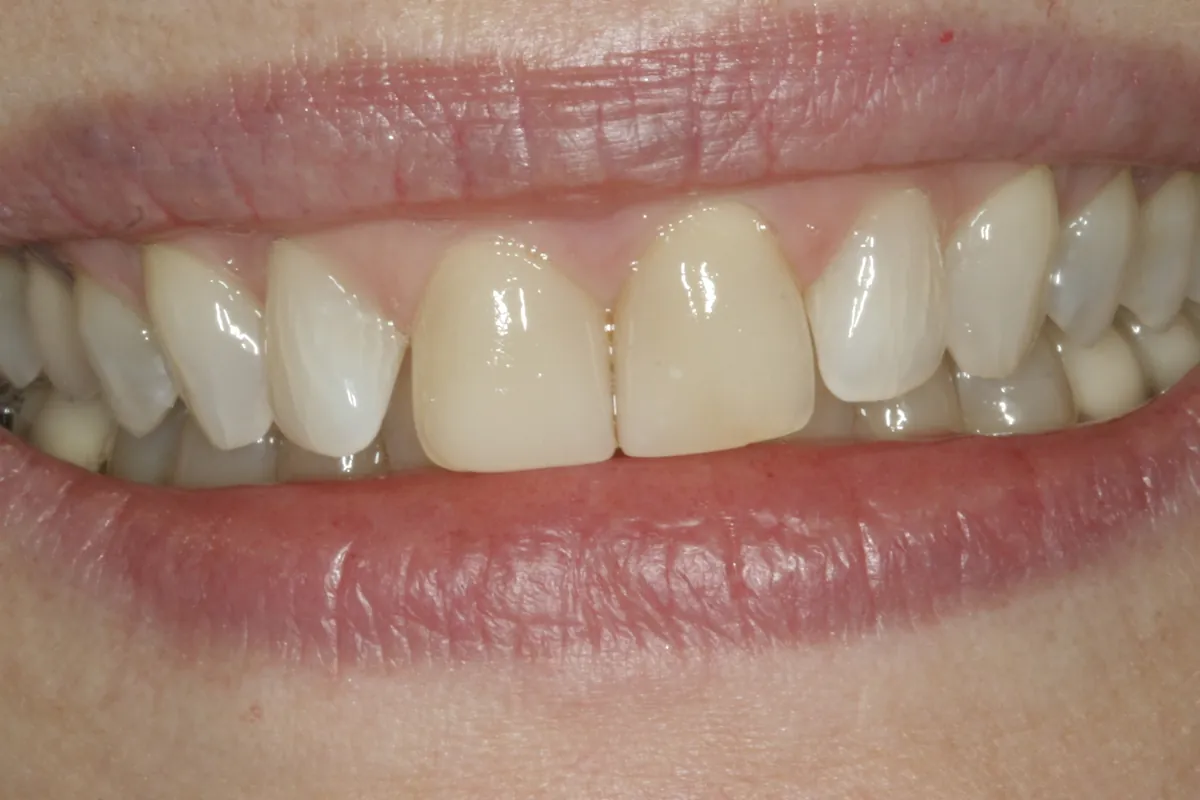
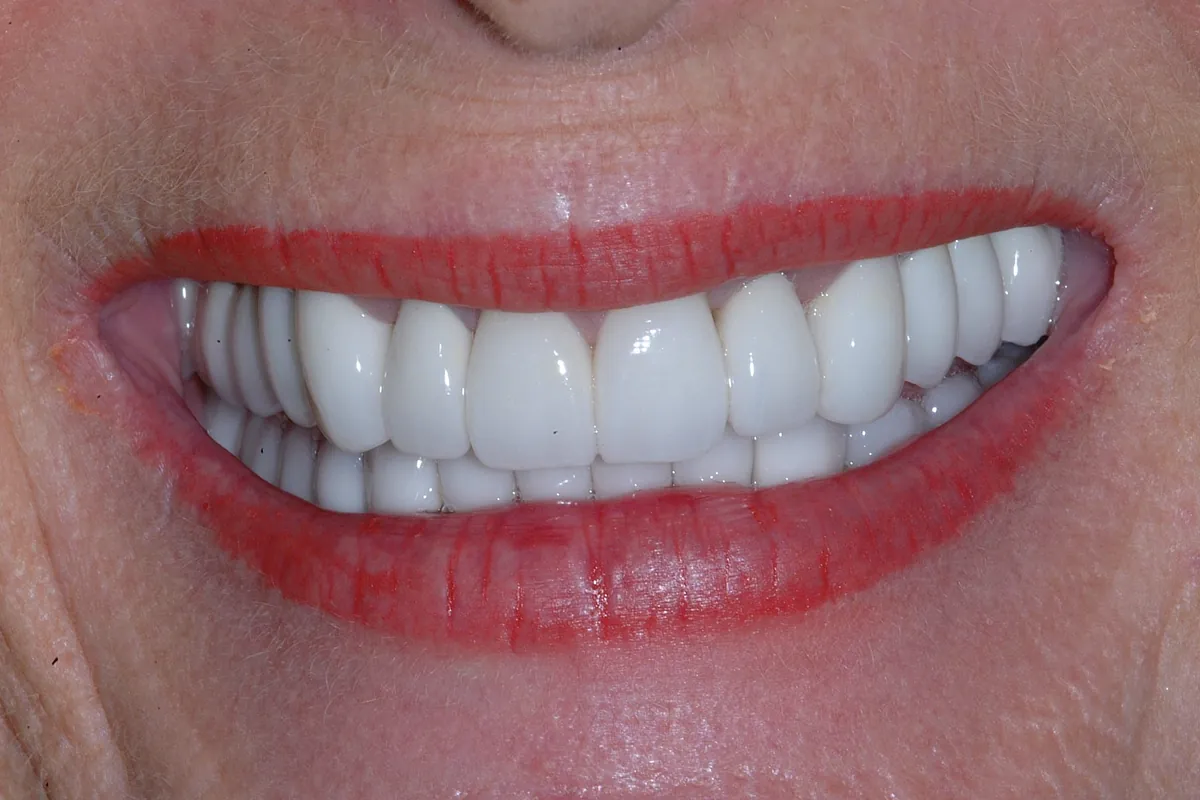
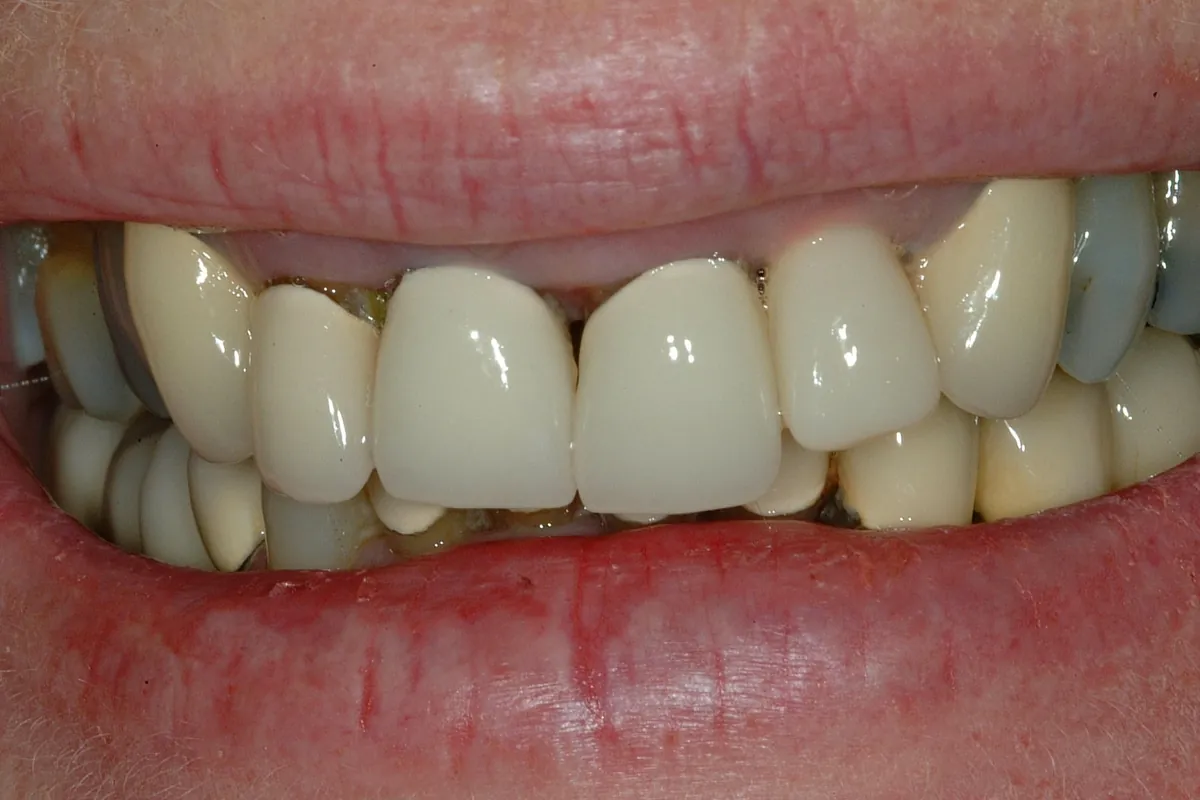
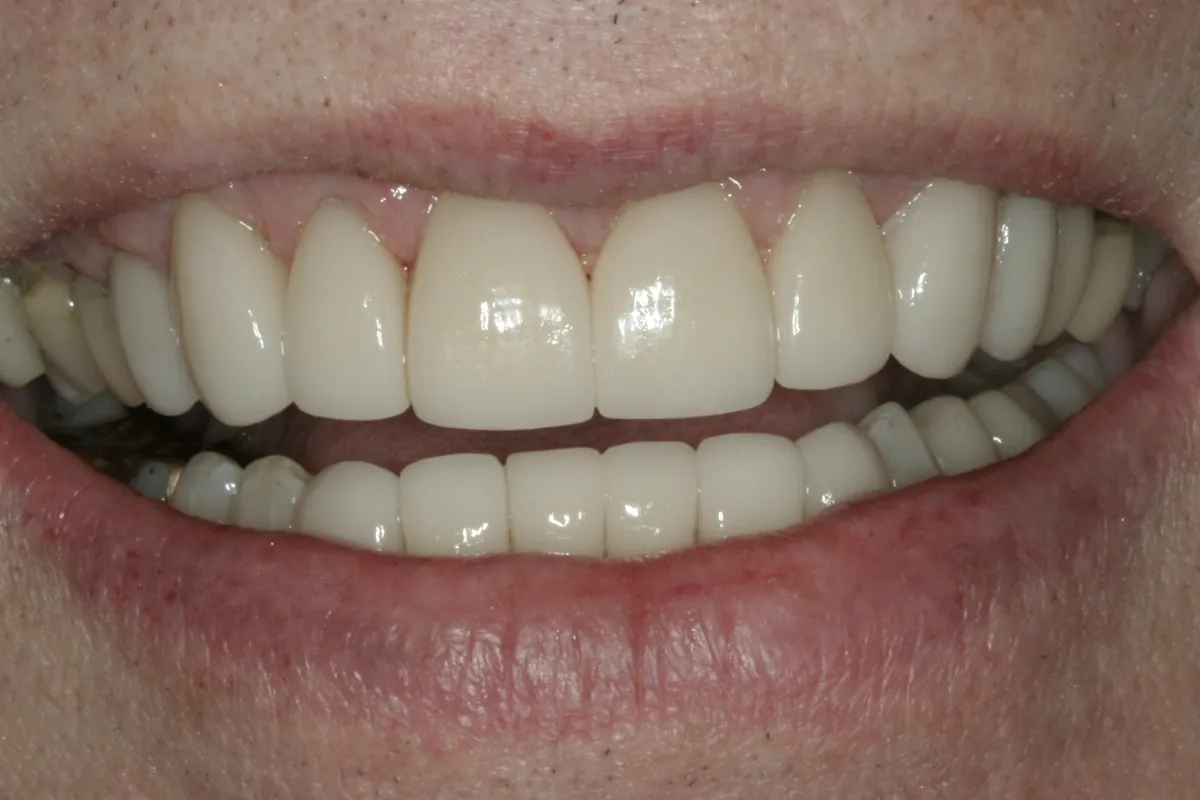
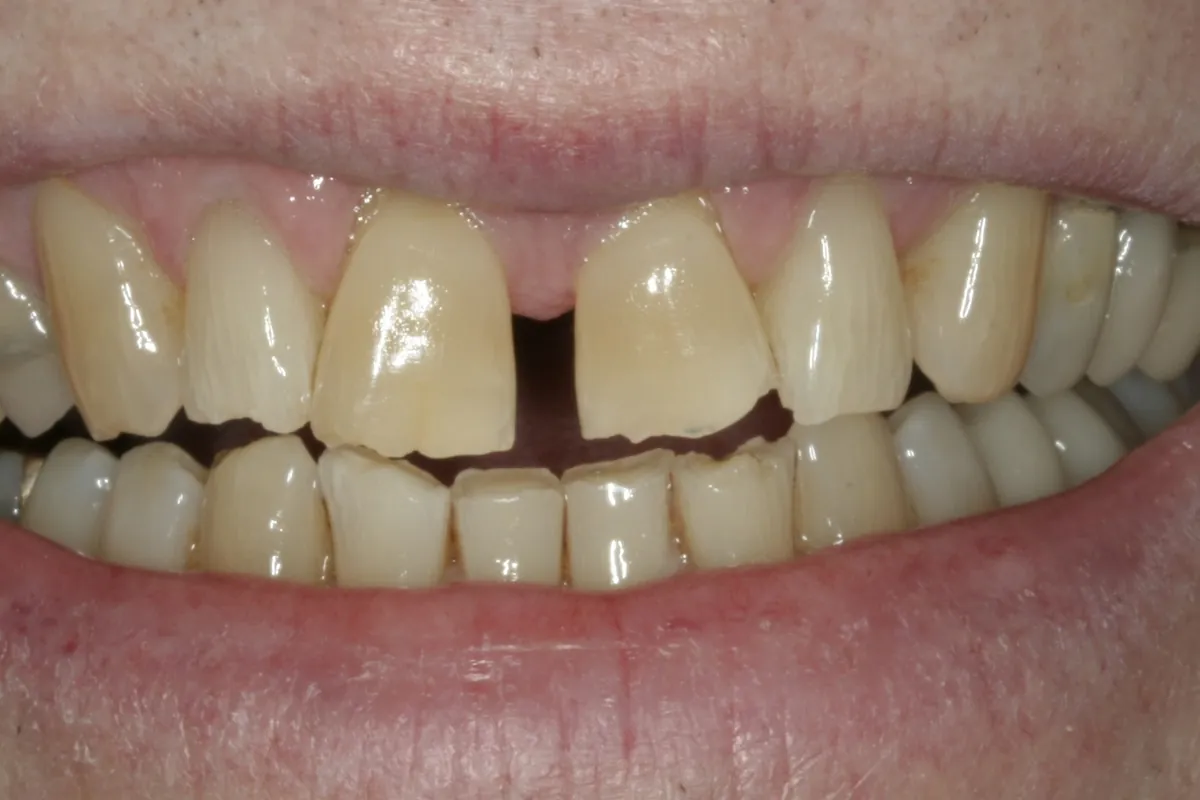
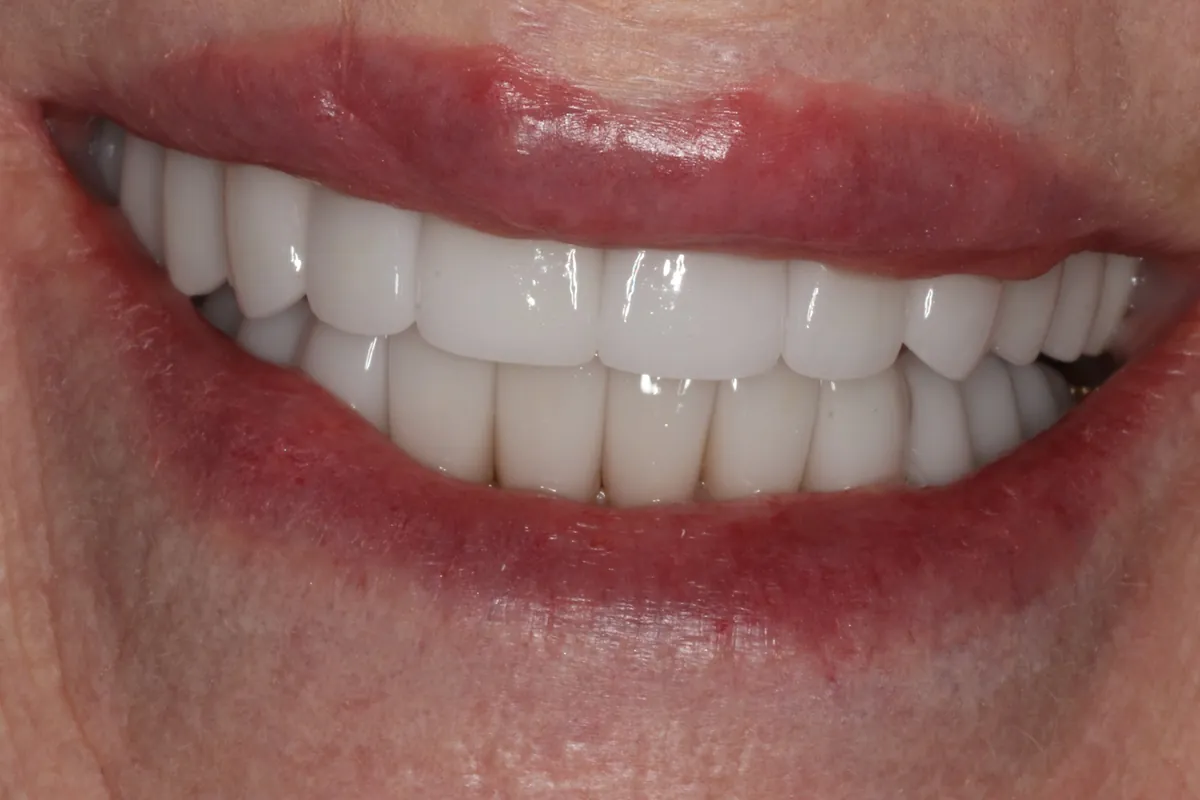
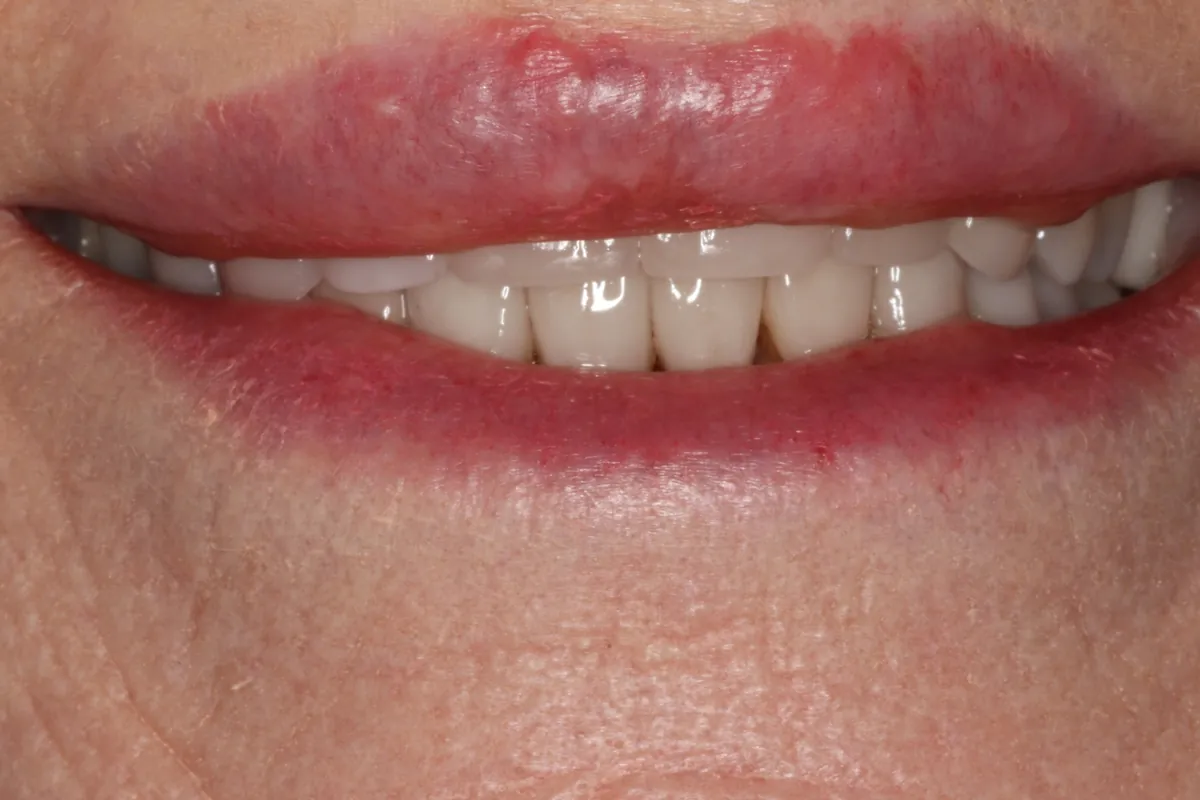
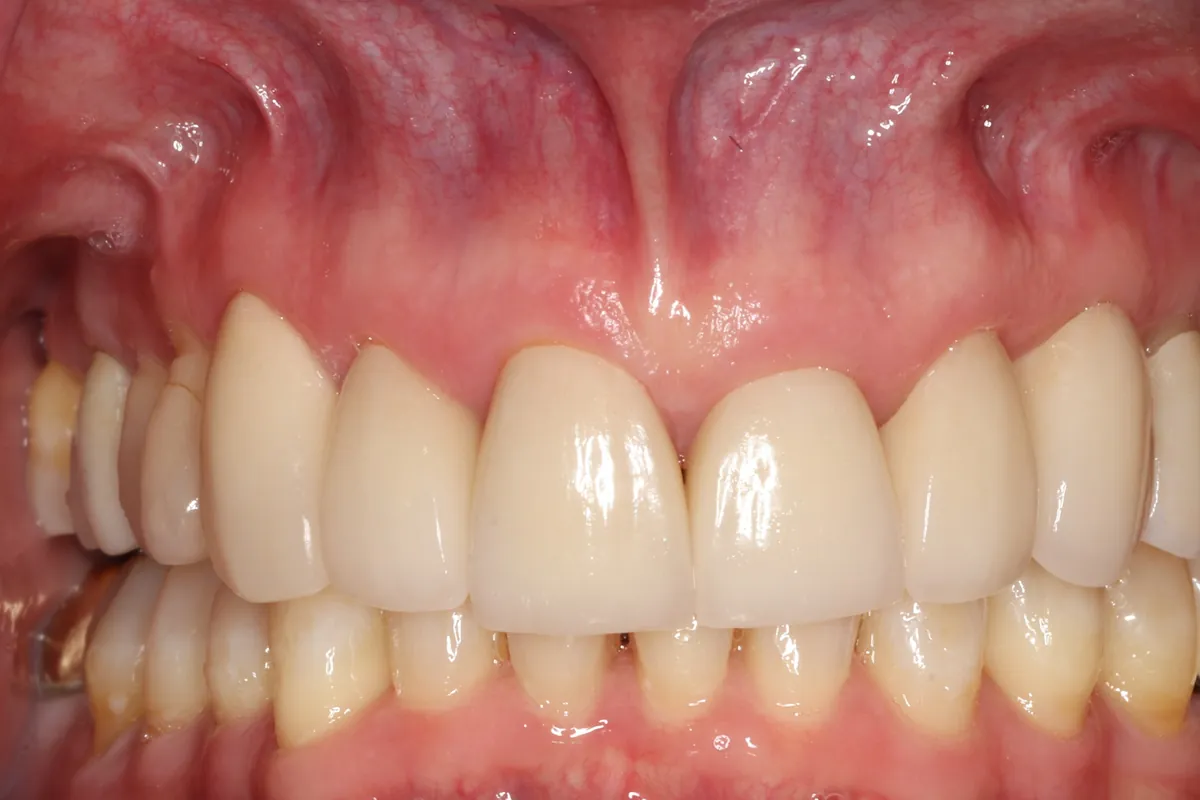
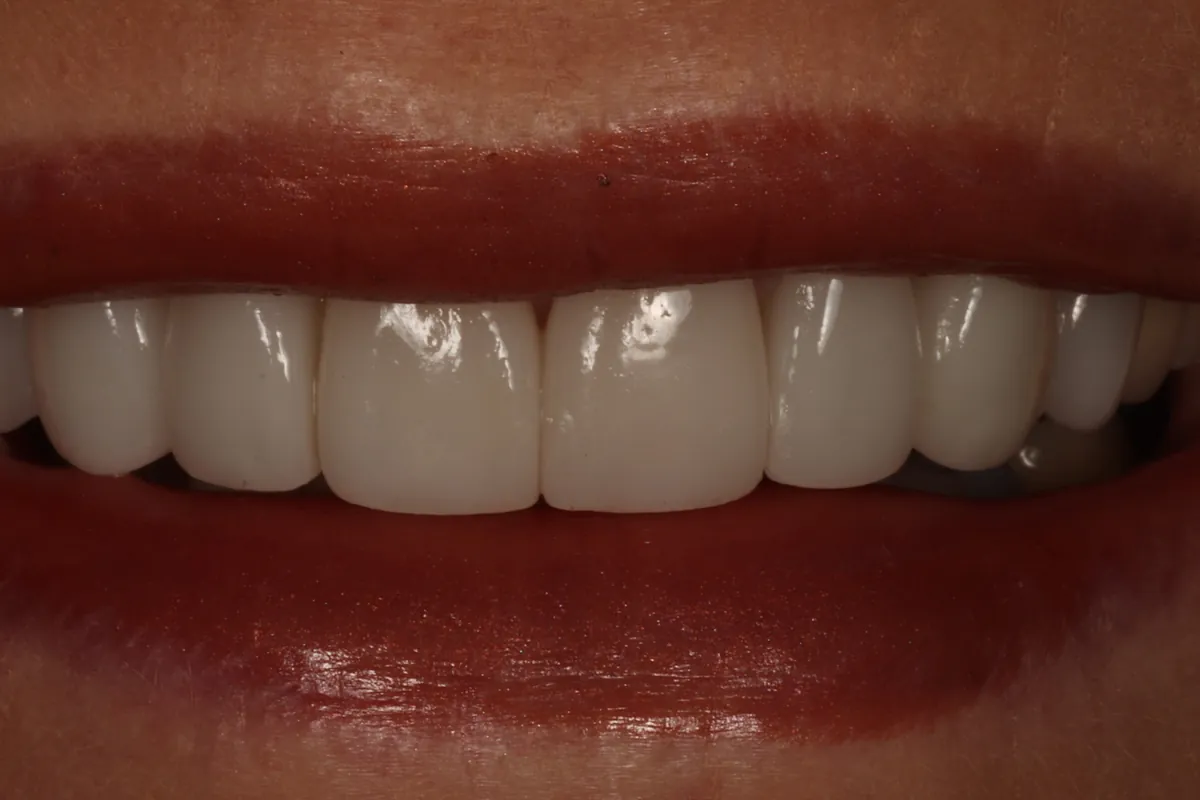
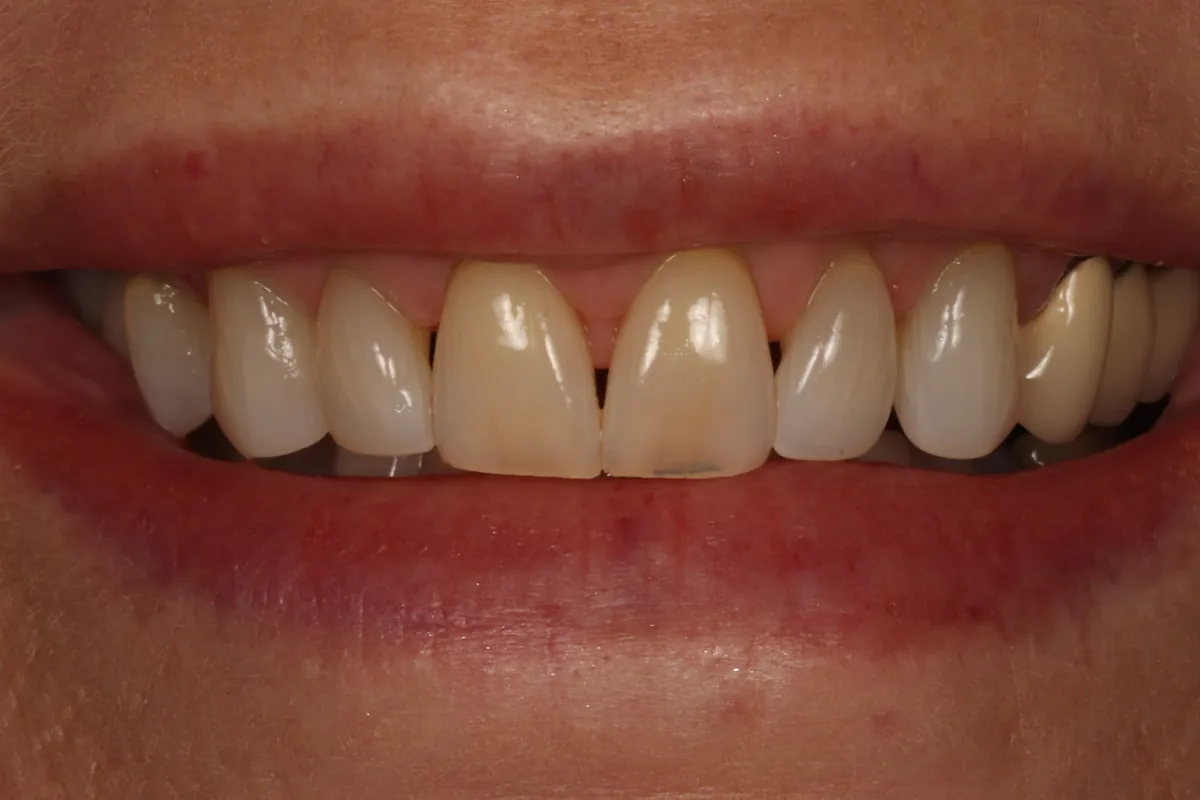
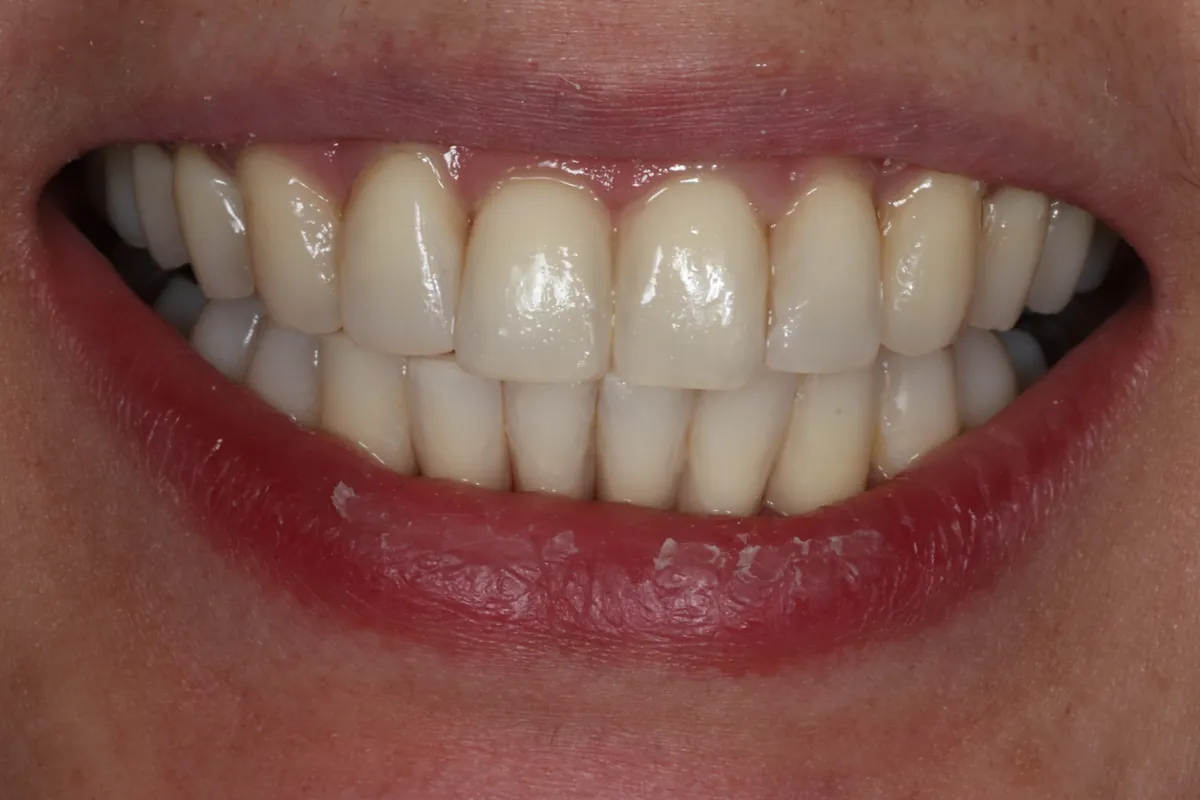
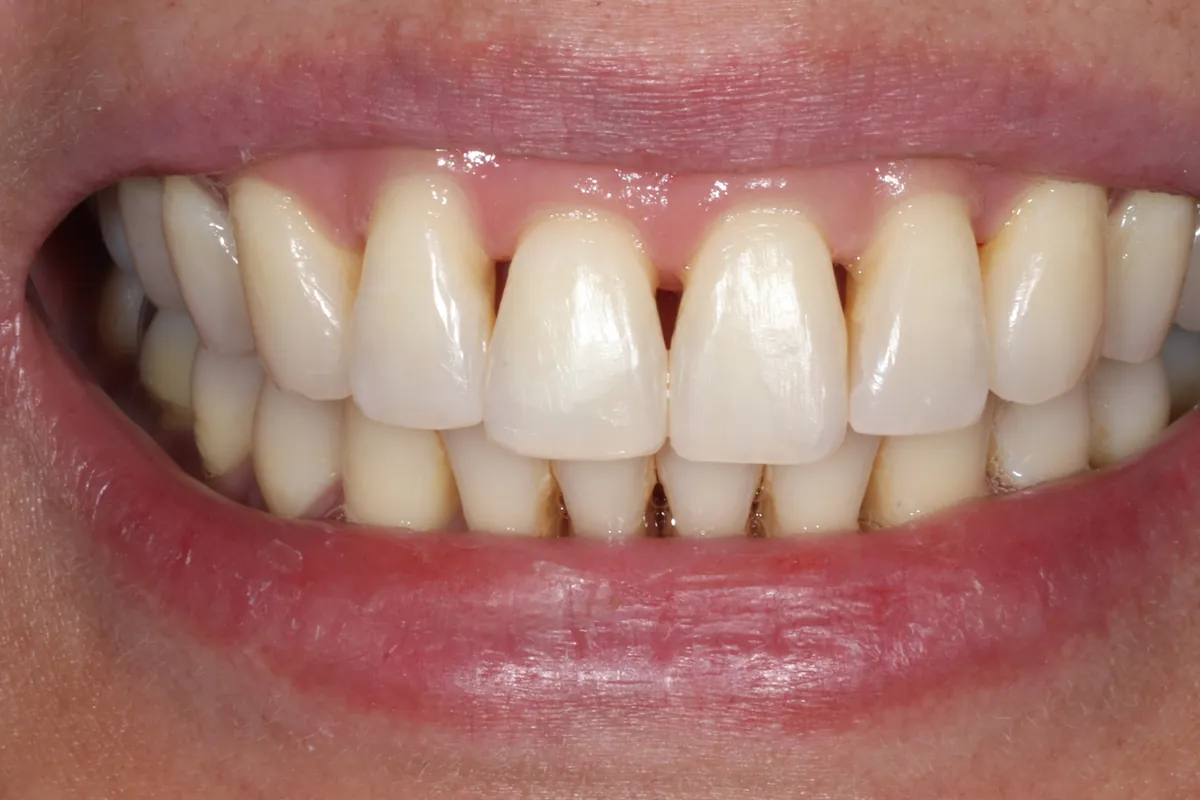
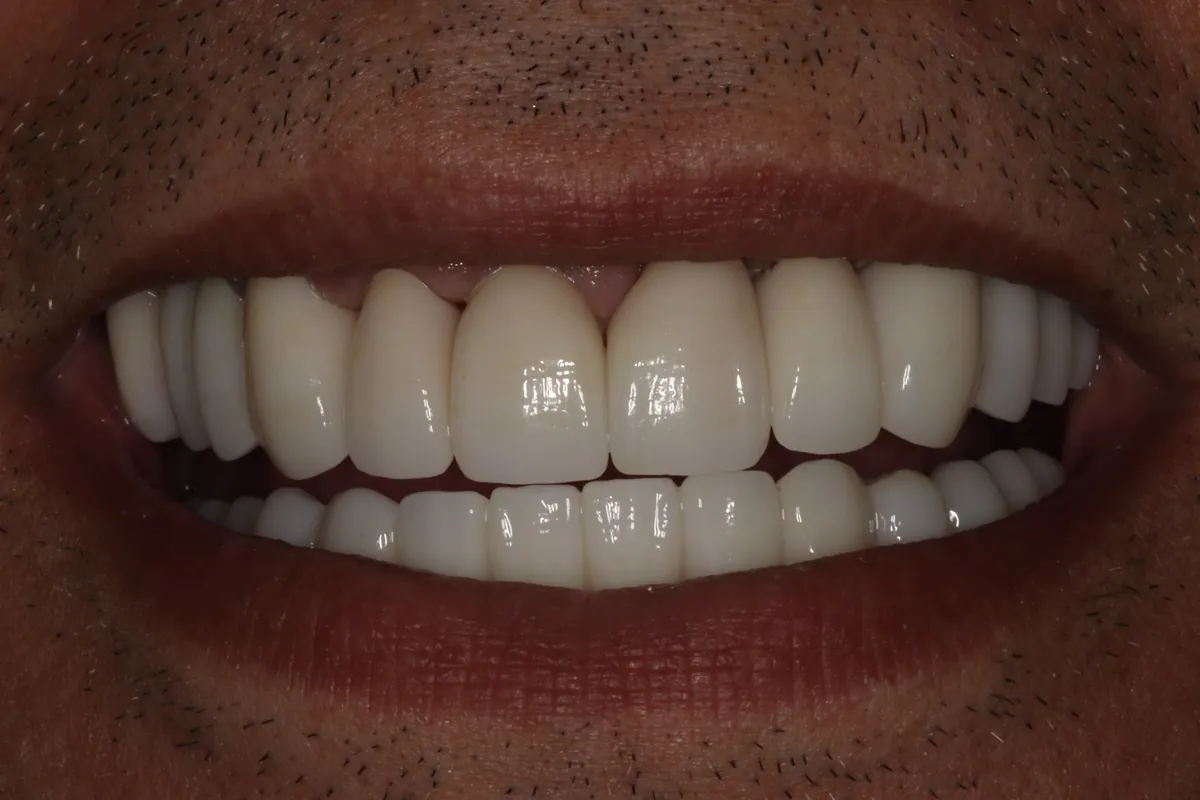
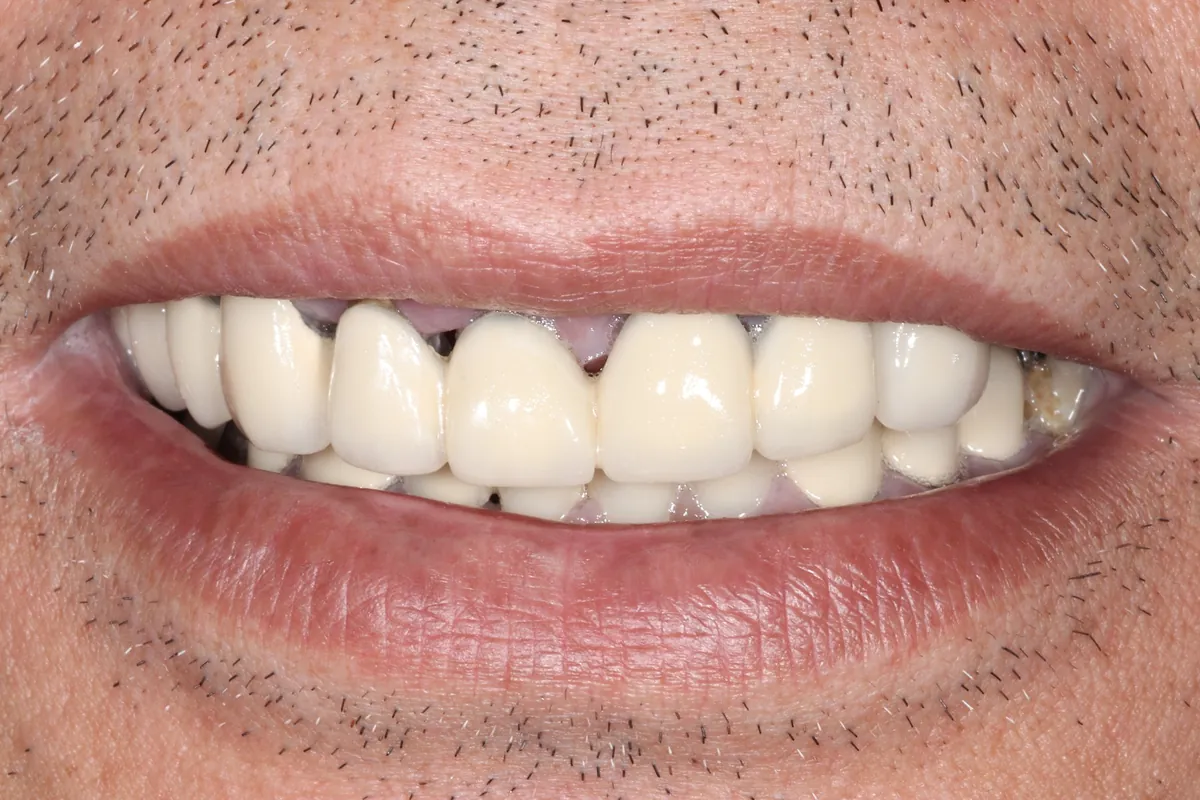
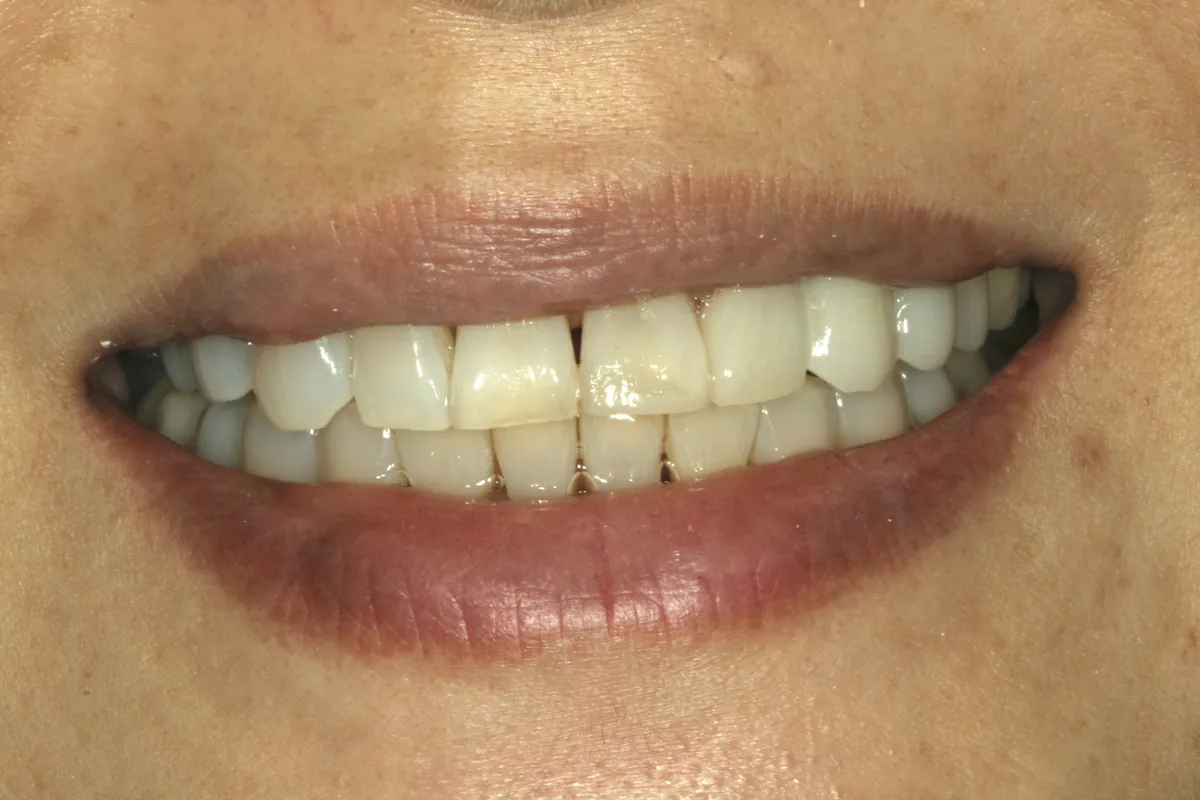
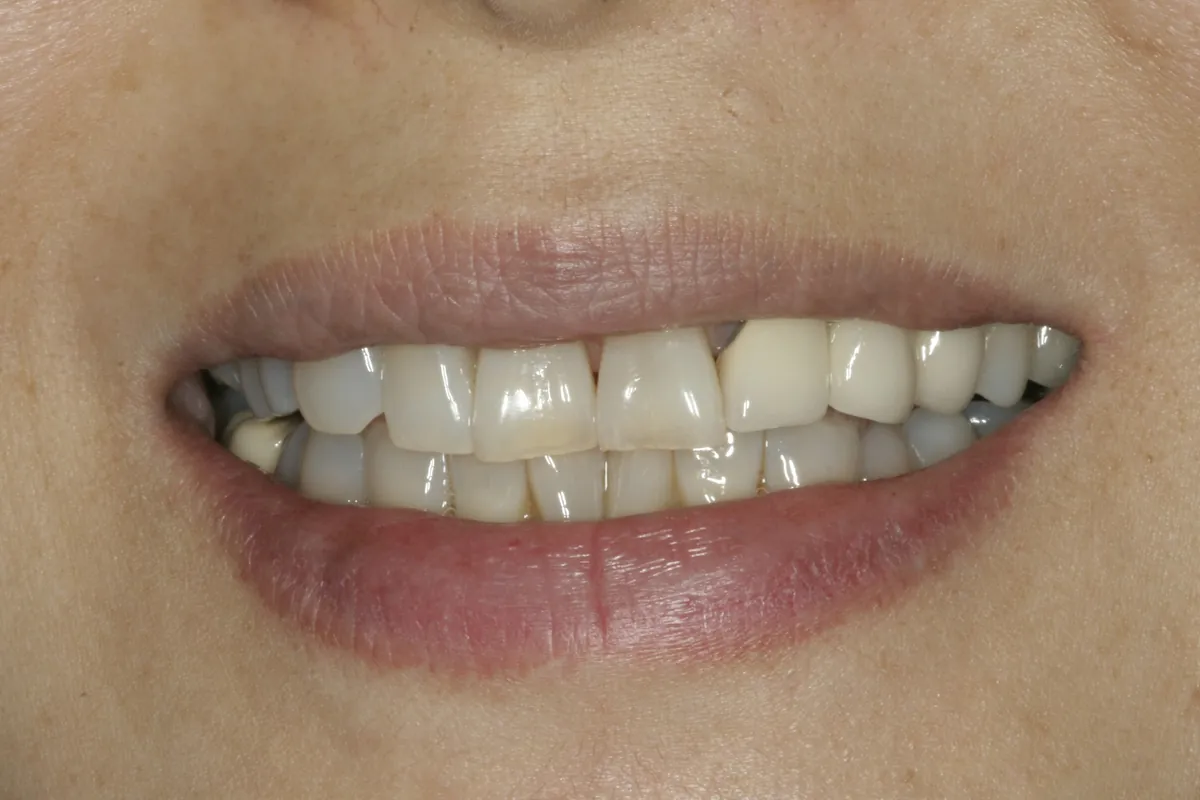
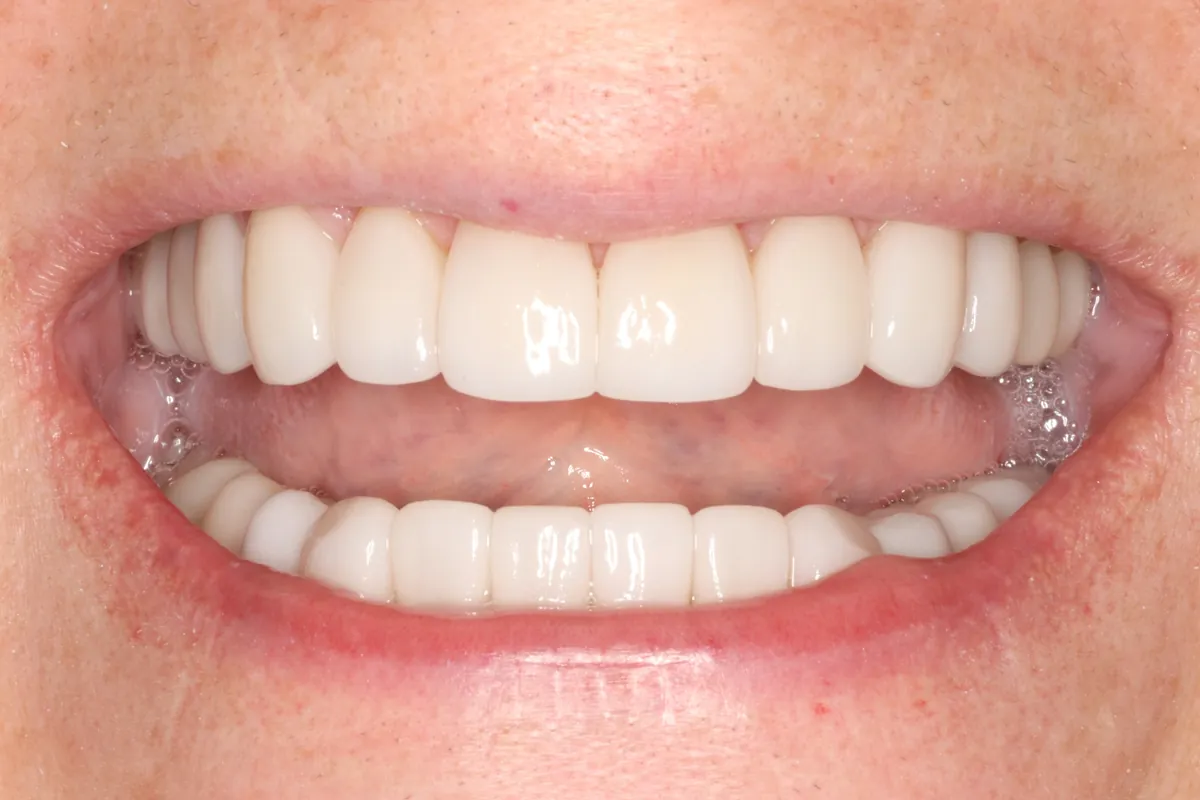
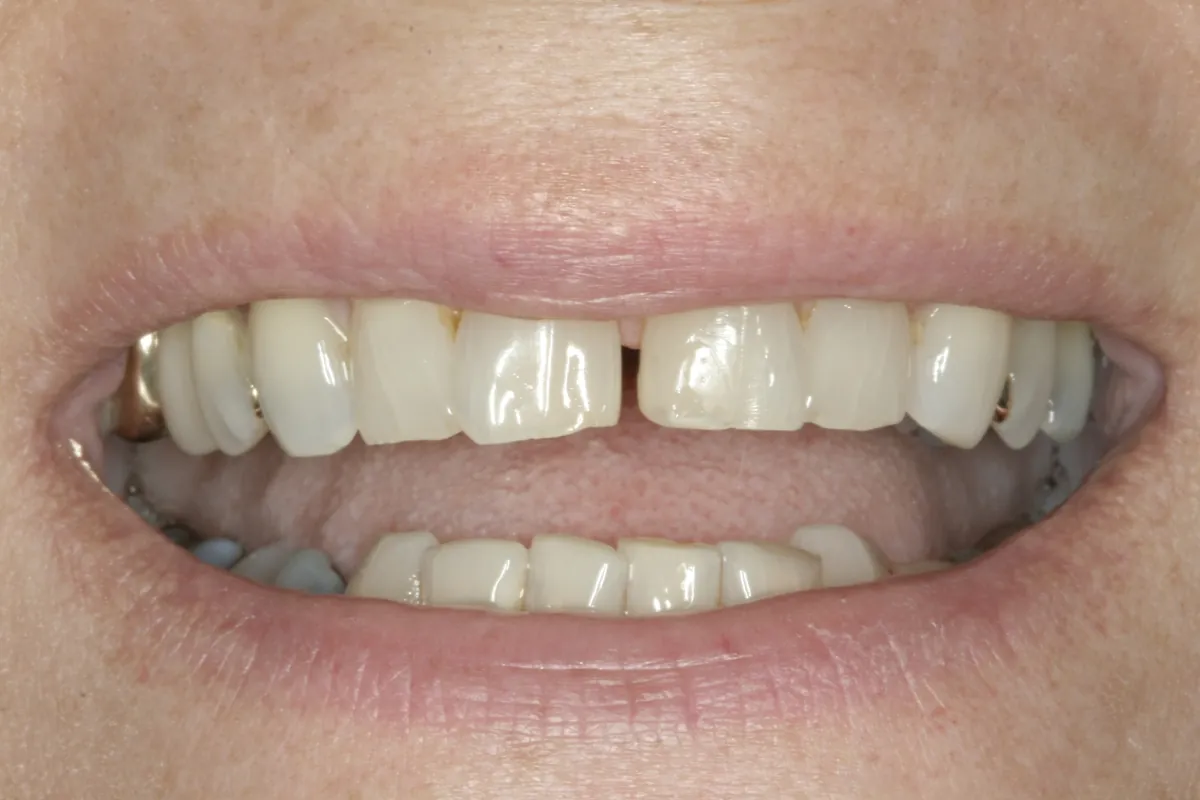
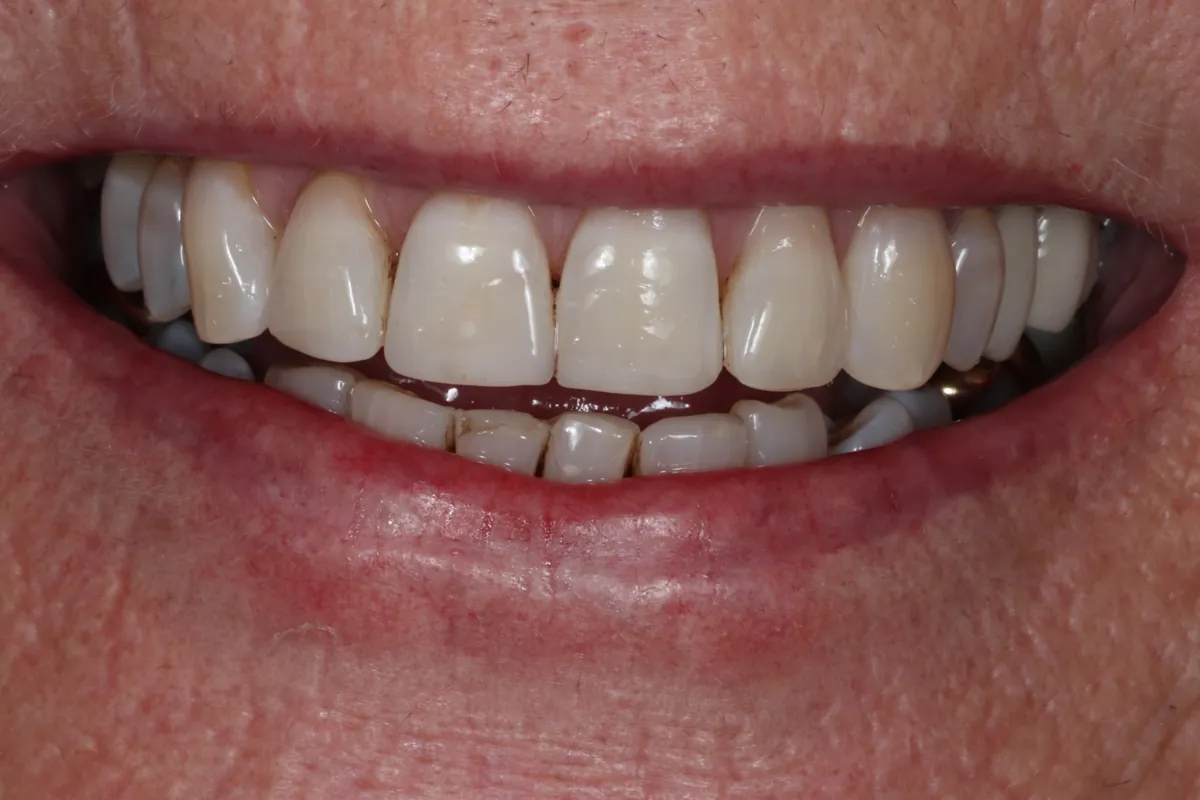
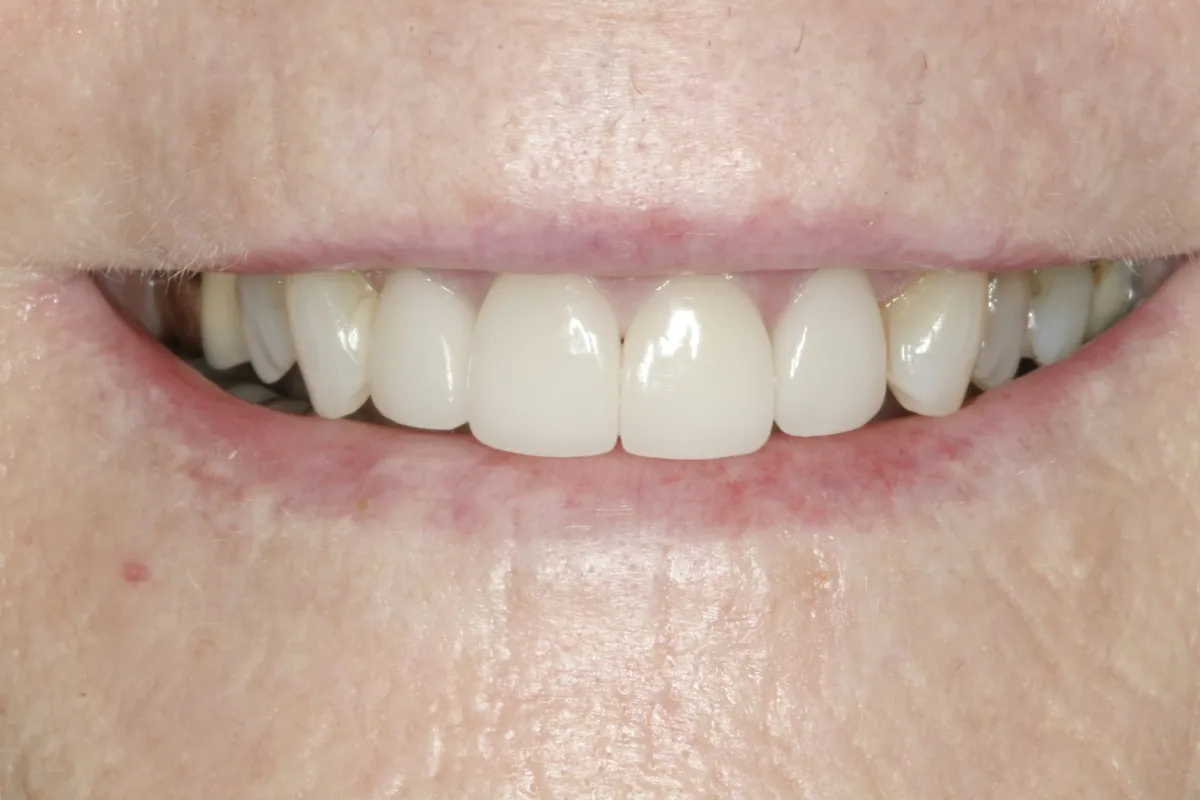
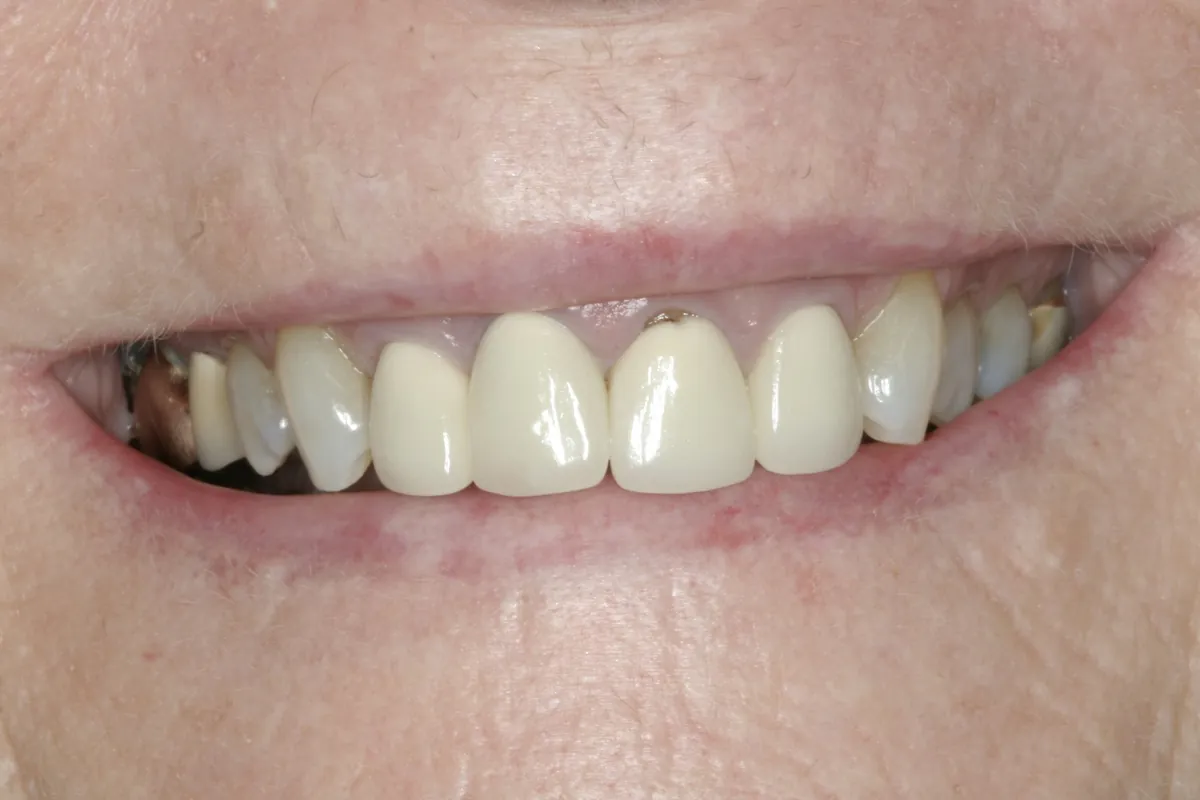
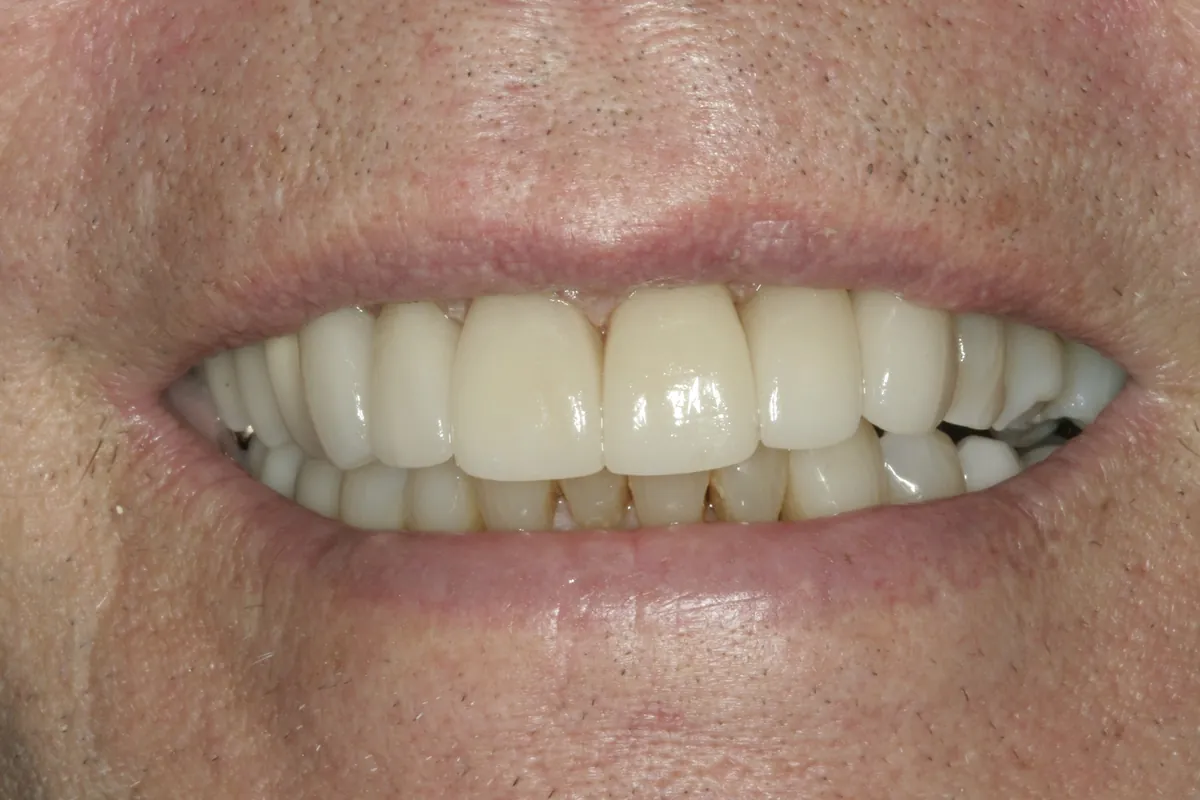
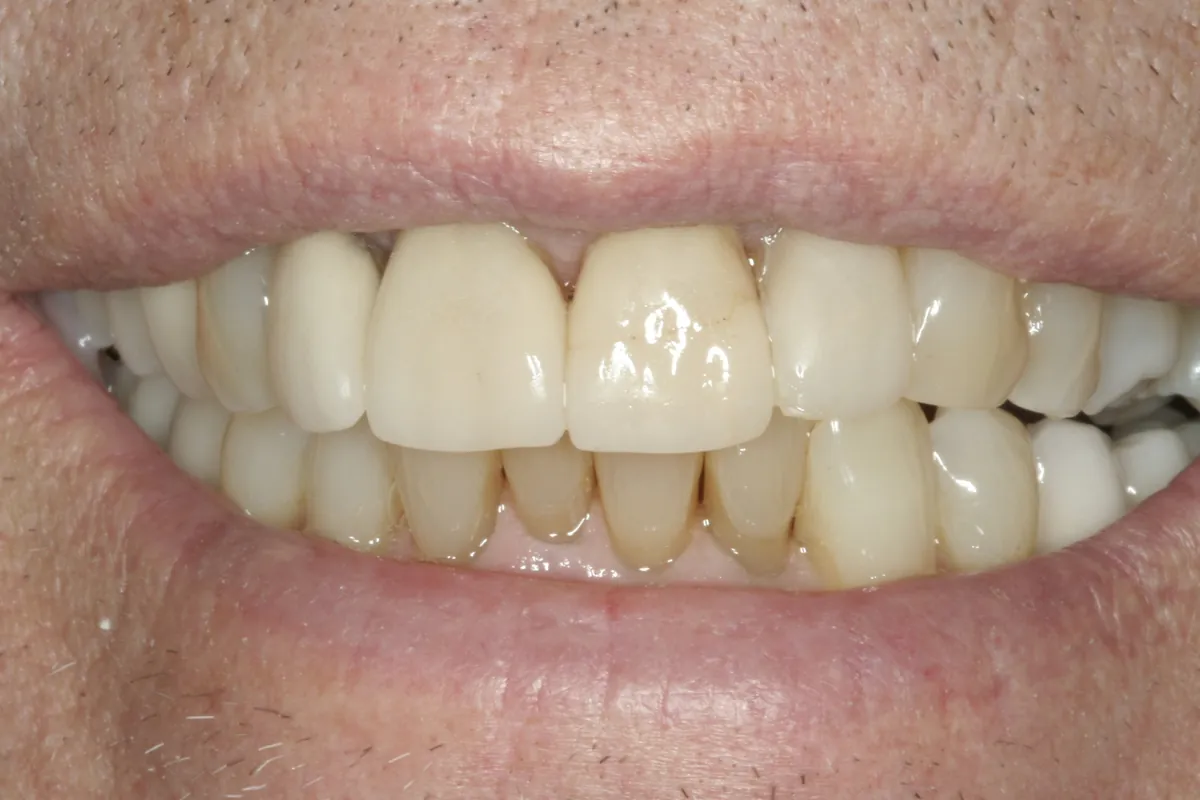
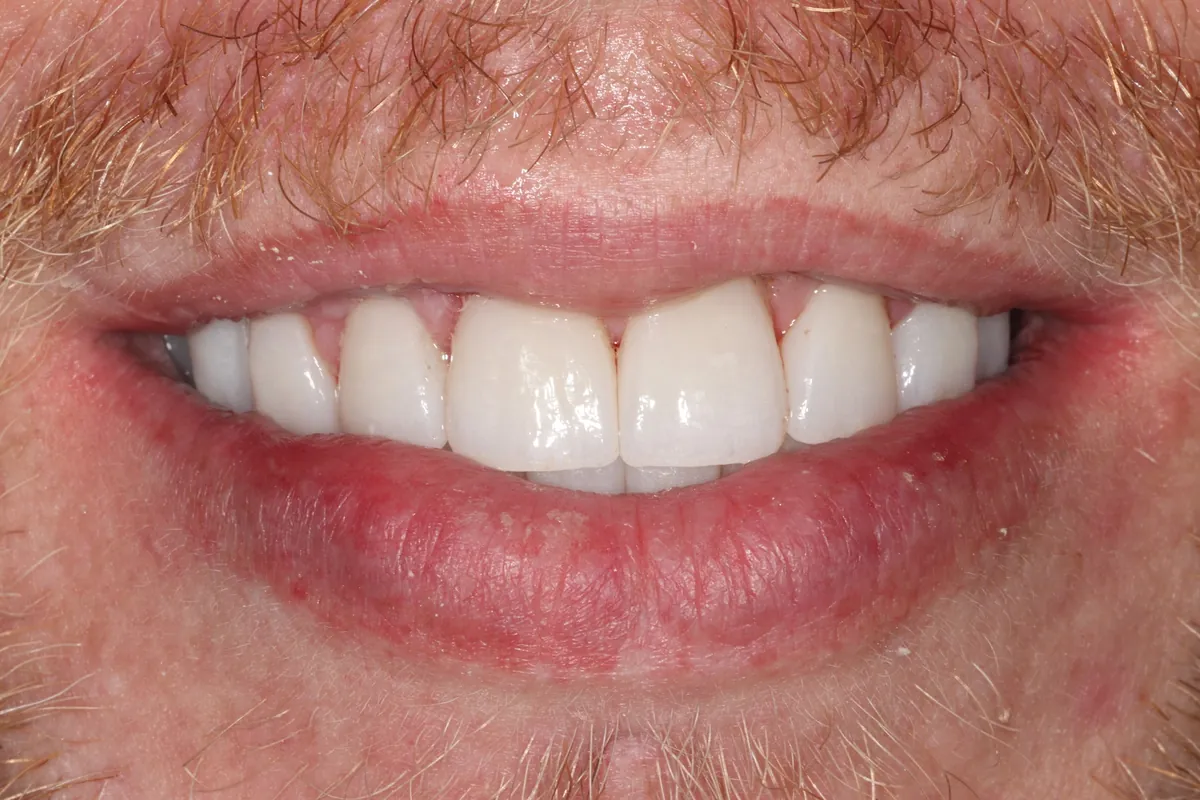
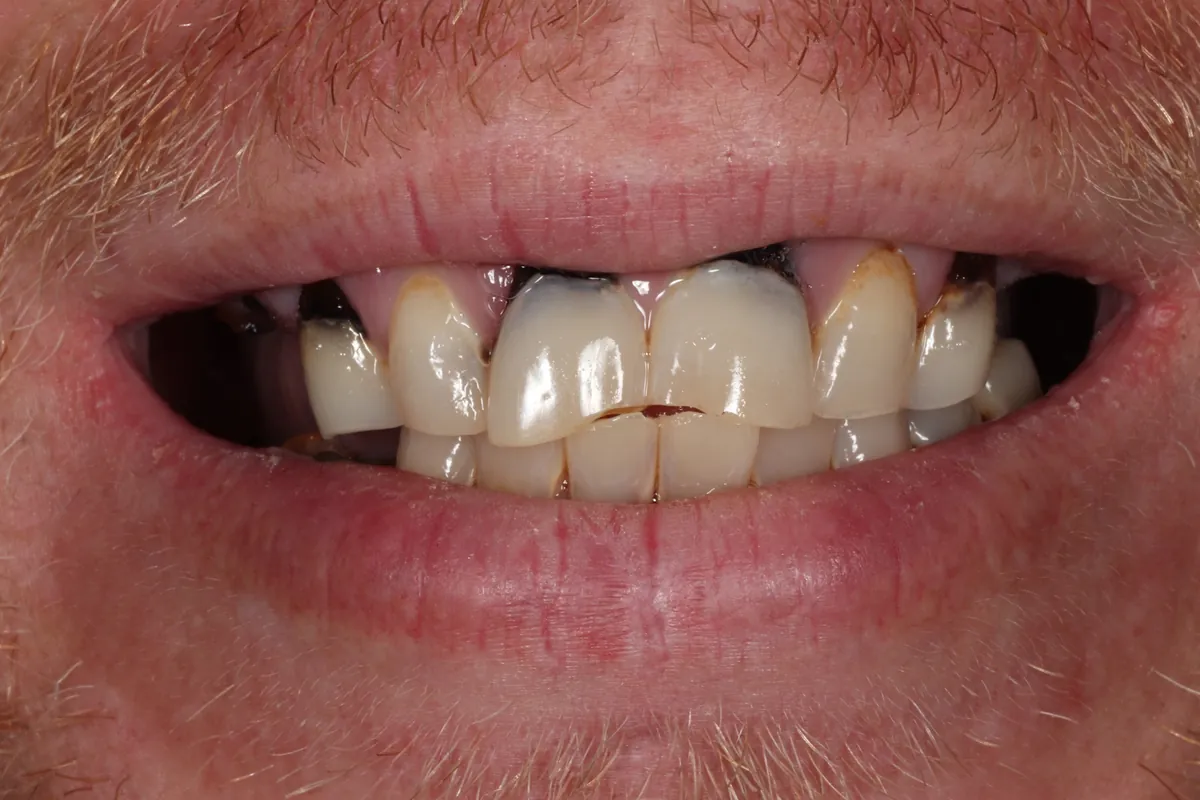
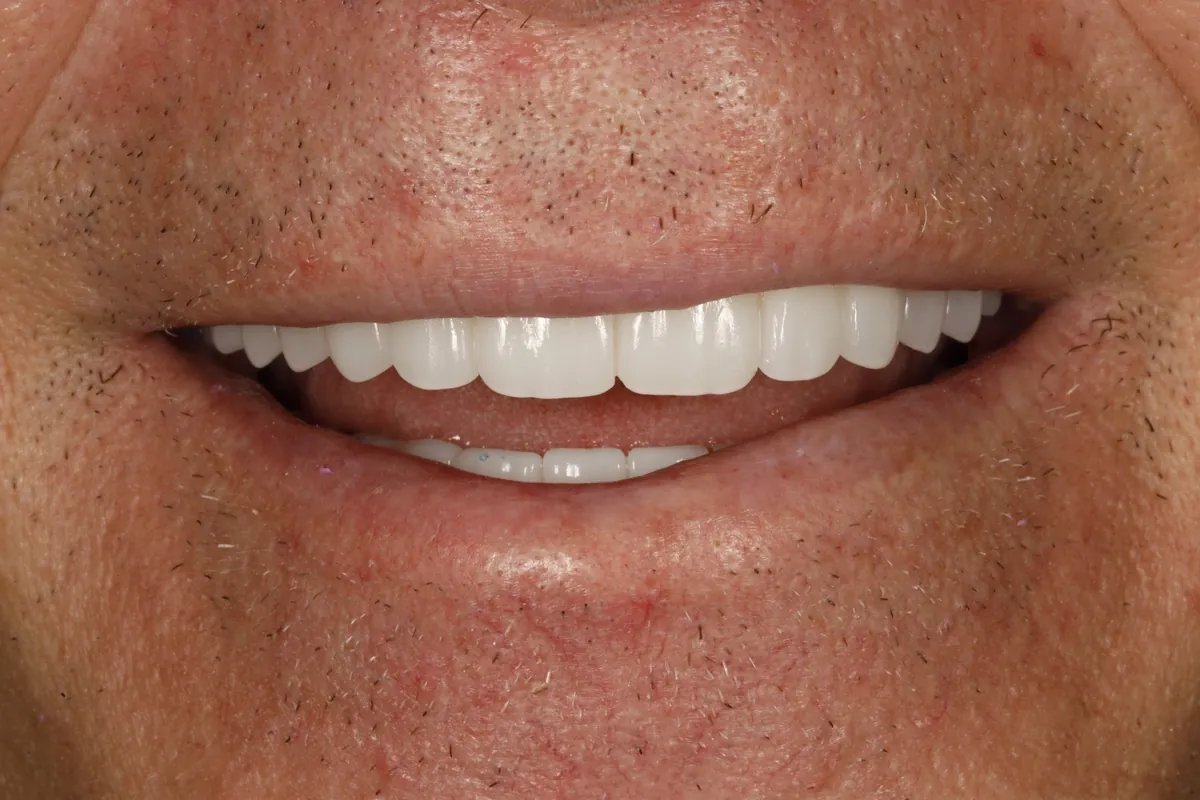
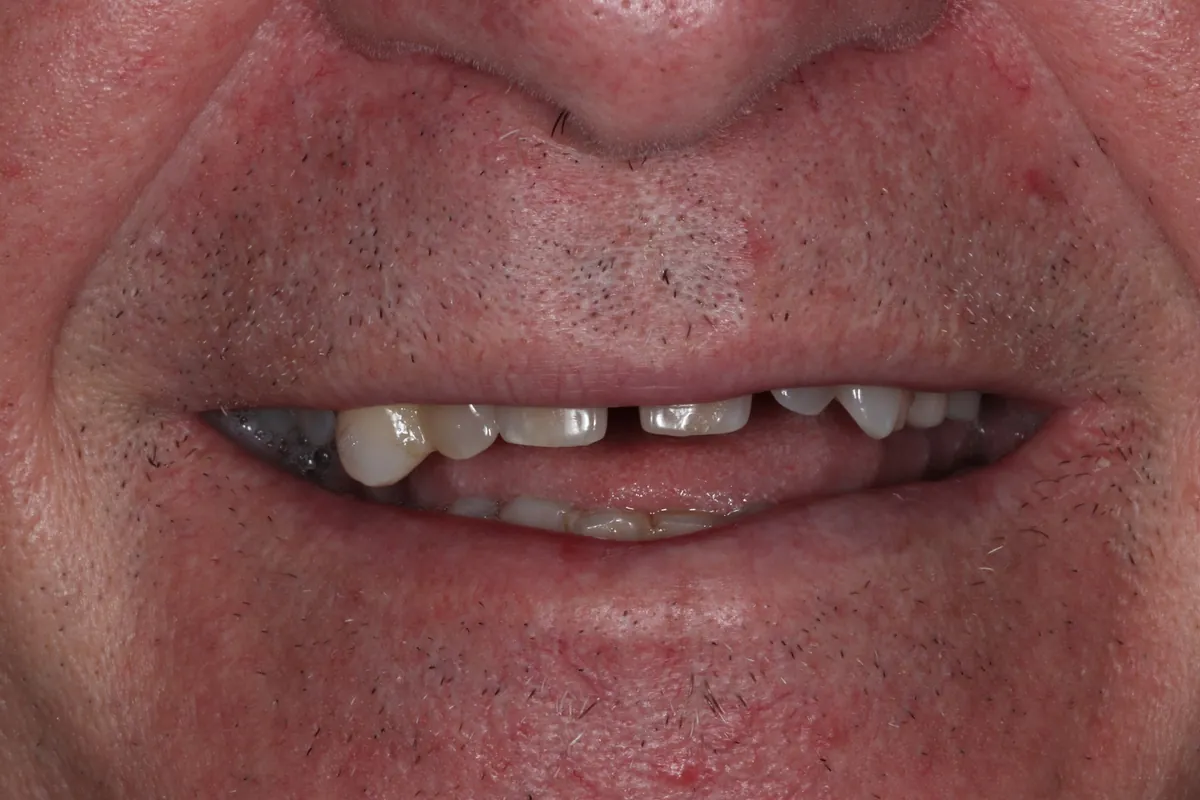
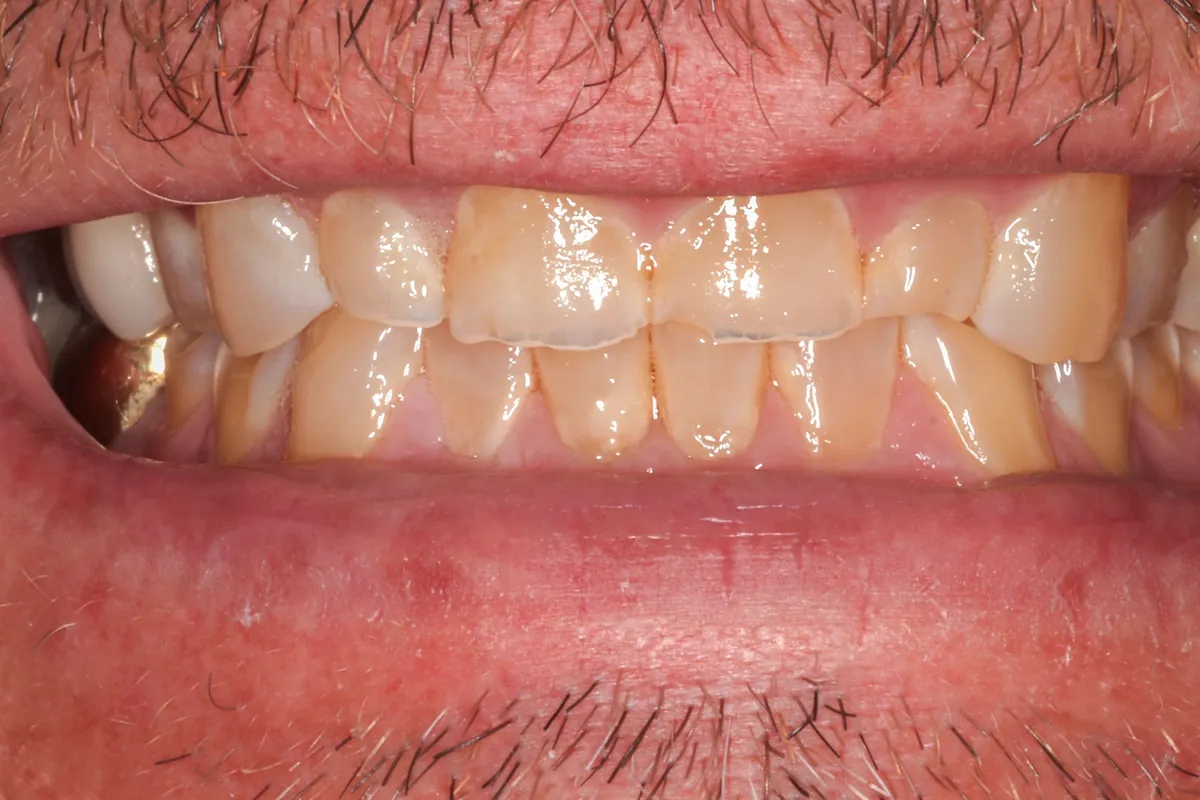
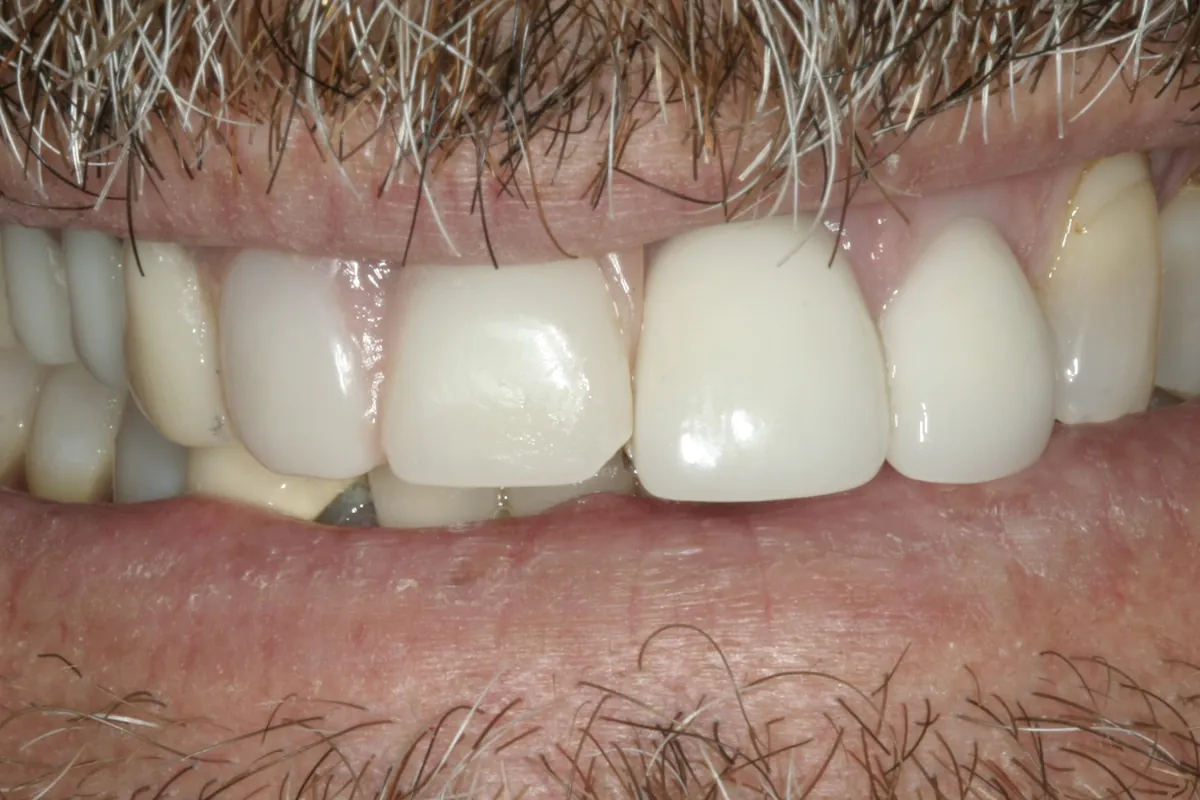
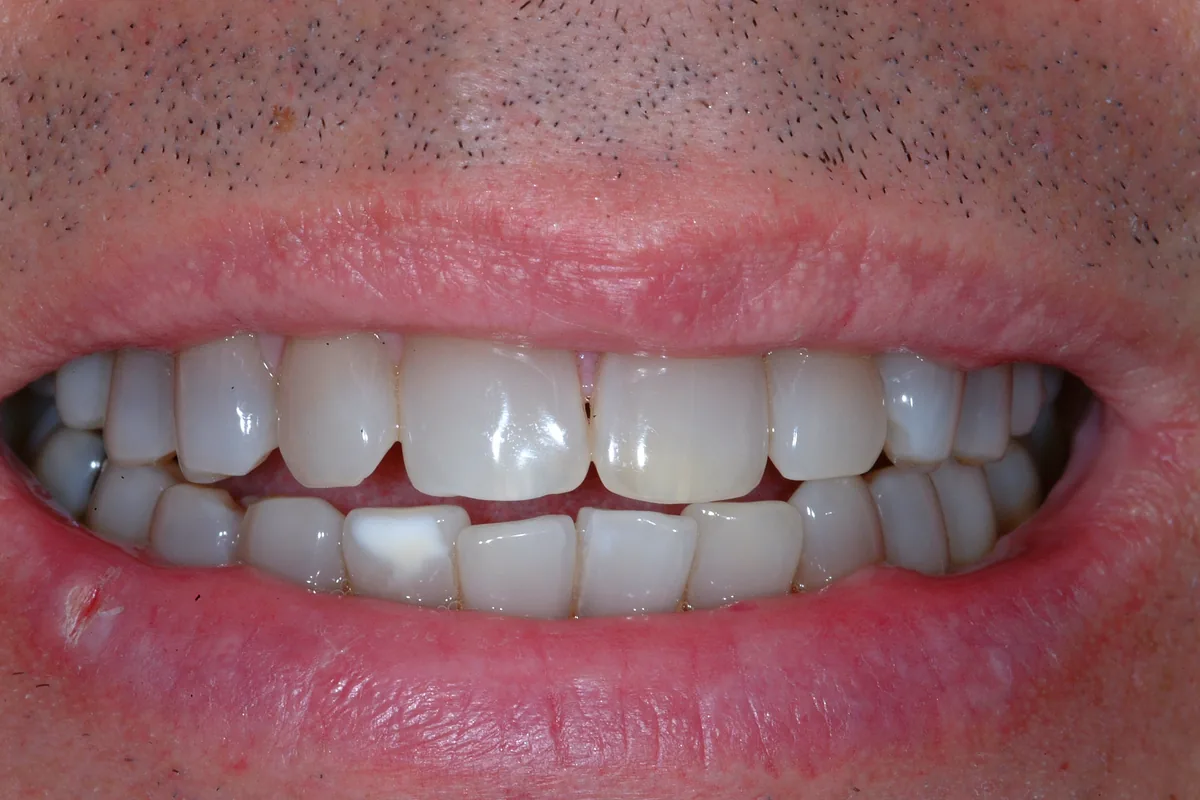
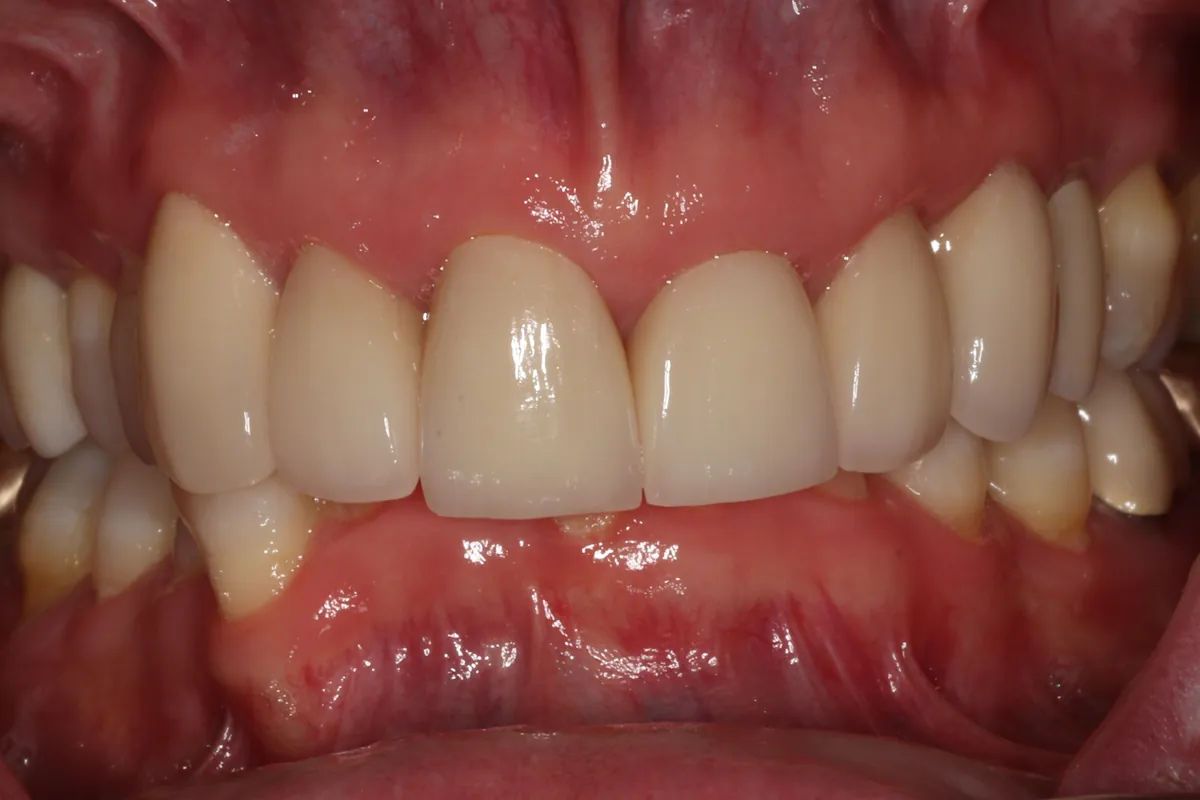
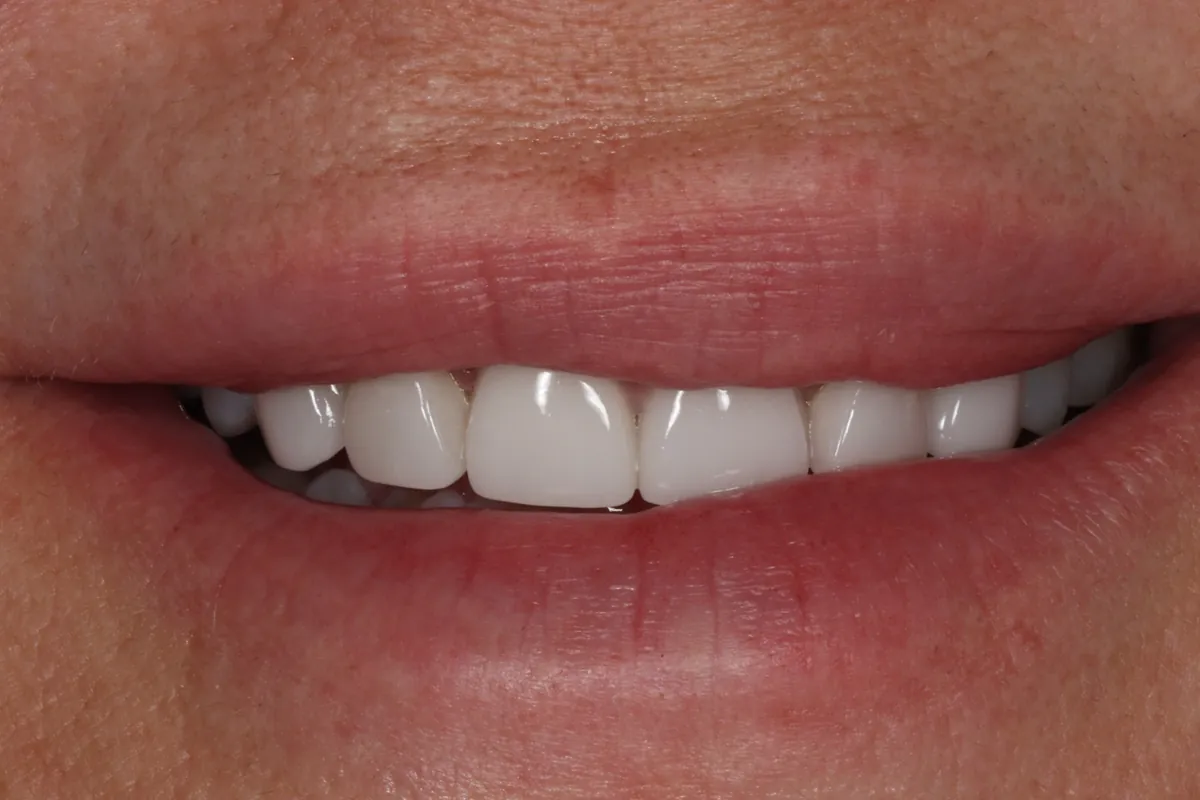
Larger cases don’t have to happen all at once, either. Treatment can often be phased over months or years – handling what’s urgent first, then working through the rest at a pace that fits your budget. Several of the transformations in our smile gallery were done exactly that way.
On the other end, if you’d rather pay in full upfront, we make that worth your while too – a 5% discount for paying in full before treatment starts, on treatment plans of $1,000 or more. It’s a genuine win-win: we get to put that money to work right away, and you save 5% for paying ahead.
Prefer to prepay your everyday care instead? Our Optimal Dental Health Program bundles a full year of hygiene visits, exams and X-rays at a discount off our regular fees – and members take 10% off most treatment, from whitening to a crown.