If you have an upcoming procedure at Sandquist DDS in Las Vegas or you recently had one, the question that almost every patient asks at some point is how long they should stick to soft foods. The short answer is that most people follow a soft-food diet for several days, sometimes a bit longer depending on the type of surgery and how their body heals. The longer explanation is worth understanding because your diet plays a meaningful role in avoiding discomfort and protecting the area while it recovers.
This guide walks you through what actually happens during the early healing period, what dentists mean by “soft foods,” and how to know when it is safe to transition back to your normal meals. It is based on common patient experiences here in Southern Nevada and the recovery guidelines typically used by practices offering oral surgery in Las Vegas.
Why Should You Eat Soft Foods After Oral Surgery?
A soft-food diet protects your healing tissues during the earliest phase after surgery. When a tooth is removed or an implant is placed, your body immediately begins forming a blood clot and starting the repair process. Any strong pressure from chewing or a piece of food hitting the surgical site can interrupt that process. For example, patients who eat crunchy chips too early sometimes report soreness or notice they are favoring one side of the mouth again.
Soft foods also lower your risk of accidentally disturbing the blood clot. This is especially important after typical procedures such as wisdom tooth removal, grafting, or implant placement. A stable clot reduces the chances of secondary complications like dry socket, which can feel sharp and lingering. Many patients are surprised by how much a few days of careful eating can influence overall comfort during the week after their procedure.
Temperature also matters. Soft foods that are lukewarm or cool are gentler on your mouth than anything very hot. A patient who lives near Desert Shores shared that she tried regular hot soup the day after her extraction and noticed a throbbing sensation. That type of reaction is common, which is why mild temperatures pair well with soft textures.
The Initial Healing Phase
Most people experience the most noticeable swelling and sensitivity during the first two to three days after surgery. This is what we refer to as the initial healing phase. During this time, your mouth is focused on early tissue repair. Chewing too aggressively, rinsing too forcefully, or introducing hard foods slows that work down.
Patients usually do well with meals like yogurt, mashed potatoes, scrambled eggs, or a soft pasta. These foods do not require active chewing, so the area is left undisturbed. A patient who visited our office for an extraction in early spring described the first 48 hours as the period when his mouth “felt the most delicate,” and that lines up with what we see clinically.
If your procedure occurred late in the day, your first meal after surgery will involve something very mild. Some people stick to a smoothie or a protein shake for dinner because their mouth is still numb. The next morning, moving to soft but spoonable meals helps restore energy without straining your jaw.
This is also the time when you want to avoid seeds, nuts, and grains that can slip into extraction sites. Even something as simple as a strawberry seed can be irritating if it finds its way into the area before the tissue begins to close.
When Should You Stop Eating Soft Foods After Oral Surgery?
Patients want to know the exact number of days, but there is no one date that fits every surgery. Most people follow a soft-food plan for three to five days after simpler procedures and closer to a week for more involved surgeries. The right length depends on factors like your age, the type of surgery, how much swelling is present, and whether any additional treatments like bone grafting were performed.
Your Las Vegas dentist will outline a safe time frame during your visit because each mouth heals at its own speed. Some patients feel ready to chew on the opposite side of the mouth as early as day three, especially if their swelling has already begun to settle. Others may need another few days of caution. It is common for people in their fifties and sixties to need a slightly longer soft-food window than teenagers who had wisdom teeth removed during the summer break.
What matters most is listening to your body. If you try something like a soft sandwich on day four and your jaw feels achy or your gums feel tender, going back to gentler meals for another day is a reasonable choice.
Slow Transition Back to Solid Foods
Once the initial sensitivity fades, your dentist will usually give you the green light to slowly test firmer textures. This transition should feel gradual rather than sudden, and most patients do well introducing soft solids before jumping into regular meals.
A good pattern is to keep soft foods for breakfast, then introduce something like a baked fish or very soft chicken with dinner. That “trial meal” helps you sense how your mouth is responding. If chewing feels fine, you can advance the diet a little more the next day. If chewing feels uncomfortable, return to your softer options for another day or two.
Several Las Vegas patients have remarked that they regained their normal chewing comfort around the one-week point. One patient from the southwest part of the city said she moved from soups and oatmeal to her regular dinners around day seven after an implant procedure, and she noticed that her jaw felt looser and easier to move each day.
Aside from texture, pay attention to temperature. Hot foods can increase blood flow in a way that causes throbbing early in the recovery. Introducing warmer meals toward the end of the first week tends to feel much more comfortable.
If you ever feel uncertain about what your mouth can handle, a quick call to your dentist’s office is always appropriate. Our team sees these recoveries every day and can offer guidance that lines up with your specific treatment plan.
Extended Recovery
Extended recovery refers to the healing period beyond the first week when your mouth continues strengthening underneath the surface. Even if you feel normal, deeper tissues take time to mature. This does not mean staying on soft foods long term. Instead, it means respecting the healing pattern your dentist described.
For patients who received procedures like ridge preservation or multi-tooth extractions, the extended phase might involve being careful with very crunchy foods for several weeks. A local patient who had grafting performed in early May mentioned that she waited nearly a month before returning to trail mix during her weekend hikes at Red Rock Canyon. That time frame is typical for people healing from more complex treatments.
If you had dental implants placed, your dentist will advise you to protect the area until the implant integrates with the bone. During the first few weeks after placement, gentle chewing is encouraged, but repeated force on the site is avoided. Many implant patients spread their meals across both sides of the mouth to keep pressure balanced while they heal.
Understanding the difference between the initial healing phase and the extended recovery helps you set realistic expectations. You may feel completely back to normal on day ten, which is encouraging, but the deeper tissue work is still happening.
What to Eat and What to Skip
Although this guide focuses primarily on when to stop eating soft foods, many patients appreciate having simple examples of what works well. Smoothies, yogurt, broth-based soups, refried beans, creamy pasta, scrambled eggs, and soft-cooked vegetables are classic choices. In Las Vegas, where summer temperatures often climb well above 100 degrees by July, cool options like applesauce or a chilled protein shake often feel soothing.
Foods to skip early on include popcorn, chips, raw vegetables, and crusty bread. Anything that requires a strong bite or creates small crumbs should wait until you are comfortably into the solid-food phase.
If you have a favorite local dish, like a soft tamale or pho from a nearby restaurant, it might fit into your plan once your dentist clears you to try softer solids. Many patients find it easier to return to familiar meals because they already know their own chewing patterns and can adjust bite sizes.
Oral Surgery in Las Vegas: What Affects Your Timeline?
Living in a city like Las Vegas comes with its own lifestyle considerations. Long work shifts, dry outdoor air, and frequent travel schedules influence healing in small but noticeable ways. Hydration makes a real difference in comfort after oral surgery, especially in a desert environment. Patients who keep a steady water intake often report less dryness and easier swallowing during the first few days.
Jobs that require speaking for long periods, such as hospitality or casino work on the Strip, may also make your mouth feel a bit more tired. It is not unusual for these patients to prefer softer foods for a slightly longer period because their jaw muscles are already working throughout the day.
Your dentist may also factor in your upcoming plans. For example, if someone has a scheduled flight leaving McCarran International Airport within two days of surgery, the team may recommend a longer soft-food phase since air travel can influence sinus pressure and swelling.
Every patient receives personalized instructions because your daily routine, overall health, and type of surgery influence your recovery more than any universal timeline.
When to Call Your Dentist
Most patients find that their soft-food guidelines make sense once they understand the healing process. Still, it is smart to reach out if something feels off. Call your dentist if you notice increased swelling after day three, unusual discharge around the site, or a deep aching sensation that does not improve with rest.
A dentist who knows your full medical and dental history is in the best position to evaluate whether you should extend your soft-food period or come in for a quick check. The care team at Sandquist DDS has experience guiding patients throughout Las Vegas, from Summerlin to the eastern parts of the valley, through predictable and comfortable recoveries.
A Practical Timeline Most Patients Follow
Every mouth heals differently, but here is a general pattern that reflects what many Las Vegas patients experience:
During days one through three, you will rely heavily on soft foods. By day four or five, the swelling usually begins to settle, and you may try soft solids on the opposite side of your mouth. By day seven, most patients can manage regular meals with some caution. Those with more complex treatments may take a little longer, especially if their procedure involved grafting or multiple extraction sites.
This range is not a rule. It simply reflects the typical pace of recovery for oral surgery in Las Vegas.
Supportive Care and What You Can Do at Home
Successful healing is not only about what you avoid; it is also about how you support your mouth during recovery. Staying hydrated is particularly important in Nevada’s climate. Cool water helps maintain moisture in the tissues and prevents irritation that comes from dryness.
Using small, controlled bites helps as you transition back to solids. Instead of biting directly into something firm, such as a burger or sandwich, cut it into pieces and chew slowly. Gentle, steady pressure typically feels better than taking large bites early on.
Salt-water rinses also help once your dentist approves them. Most people start rinsing around day two or three, using warm water mixed with a small pinch of salt. This keeps the area clean without disturbing the healing tissue.
The Role of Your Las Vegas Dentist
Your dentist’s job is to guide you through each stage of healing. That includes helping you understand how long to follow a soft-food diet, what signs to watch for, and how to protect the progress your mouth is making. Because each patient has a unique treatment plan, your dentist’s personalized guidance is the most reliable part of your timeline.
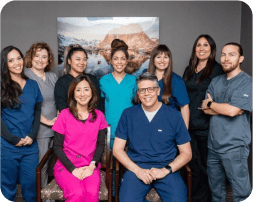
At Sandquist DDS, patients appreciate that their care team takes time to answer questions before surgery and checks in after the procedure. Those small details help you feel confident about each step, from the first soft meal to the moment you comfortably return to your regular diet.
Ready for Support After Your Procedure?
If you have questions about recovery, or if you need to schedule an appointment with a Las Vegas dentist who offers personalized guidance throughout the healing process, the team at Sandquist DDS is here to help. You can call the office, request a visit, or send a message to learn more about your specific procedure and what you can expect during the days that follow.
Your comfort plays a major role in how smoothly you heal. With the right plan and a gentle transition back to solid foods, most patients feel steady improvement each day.