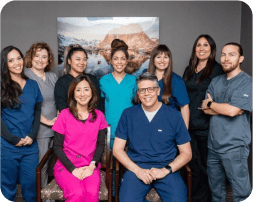

Oral surgery can sound intimidating, but for many patients, it is a routine and highly effective way to restore comfort, function, and long-term oral health. Whether you are dealing with pain, infection, or structural concerns, modern dental techniques make oral surgery safer and more predictable than ever. At Sandquist DDS, patients in Las Vegas, NV can expect a compassionate, patient-first approach that prioritizes both clinical excellence and peace of mind.
Understanding why oral surgery may be recommended helps you feel more confident about your care. When you know what to expect and how it benefits your health, the process becomes far less overwhelming and far more empowering.
What Is Oral Surgery?
Oral surgery refers to specialized procedures performed in or around the mouth and jaw to treat conditions that cannot be resolved with routine dental care alone. While general dentistry focuses on prevention and maintenance, oral surgery addresses more complex issues involving bone, soft tissue, impacted teeth, and oral structures.
These procedures can range from simple tooth extractions to more advanced treatments like dental implant placement, bone grafting, or corrective jaw procedures. The goal is always the same: to restore health, eliminate pain, and improve function. In many cases, oral surgery also supports esthetics by helping patients regain a natural-looking smile and facial balance.
At a trusted Las Vegas dentist office like Sandquist DDS, oral surgery is approached with careful planning, advanced imaging, and patient education to ensure the best possible outcomes.
Common Reasons for Oral Surgery
There are several situations where oral surgery becomes the most appropriate or necessary solution. While every patient is unique, some of the most common reasons people undergo oral surgery are widely shared.
One of the most frequent reasons is the removal of impacted wisdom teeth. Wisdom teeth, also known as third molars, often do not have enough space to emerge properly. When they become trapped beneath the gums or grow at an angle, they can cause pain, swelling, infection, and damage to nearby teeth. Oral surgery allows these teeth to be safely removed before they lead to more serious complications.
Another common reason for oral surgery is severe tooth decay or damage that cannot be repaired with fillings or crowns. When a tooth is beyond restoration, extraction may be necessary to protect surrounding teeth and prevent infection from spreading. While the idea of losing a tooth can be concerning, it often opens the door to better long-term solutions like dental implants or bridges.
Speaking of dental implants, their placement is another major reason for oral surgery. Implants are widely considered the gold standard for replacing missing teeth because they mimic the structure and function of natural teeth. The procedure involves placing a small titanium post into the jawbone, which acts as a stable foundation for a replacement tooth. This not only restores your smile but also helps preserve bone health.
Gum disease, particularly in its advanced stages, can also require surgical intervention. When periodontal disease progresses, it can lead to deep pockets of infection, bone loss, and loose teeth. Oral surgery procedures such as flap surgery or bone grafting can help clean infected areas and rebuild lost tissue, giving patients a chance to save their natural teeth.
Infections or abscesses that do not respond to standard treatments may also require surgical care. These infections can cause significant pain and, if left untreated, may spread to other parts of the body. Oral surgery allows the dentist to remove infected tissue, drain the area, and promote healing.
Jaw-related issues are another category that may call for oral surgery. Conditions like misalignment, injury, or temporomandibular joint disorders can affect how your teeth come together and how your jaw functions. In some cases, surgical correction is needed to restore proper alignment and relieve chronic discomfort.
Cysts and benign growths in the mouth or jaw can also necessitate surgical removal. While these are often non-cancerous, they can still cause damage to surrounding structures if not addressed. Early detection and treatment are key to maintaining oral health and preventing complications.
For patients preparing for dental implants, bone grafting may be required if there is not enough healthy bone to support the implant. This procedure rebuilds and strengthens the jawbone, creating a stable foundation for future restorations.
Ultimately, oral surgery is not about creating more treatment but about resolving issues that cannot be fixed through simpler means. It is often the most direct path to restoring health and preventing more complex problems down the road.
What to Expect Before and After Surgery
One of the biggest concerns patients have about oral surgery is not knowing what the process will feel like. Understanding each step can help reduce anxiety and make the experience more manageable.
Before your procedure, your dentist will perform a comprehensive evaluation. This may include digital X-rays or 3D imaging to get a clear picture of your teeth, bone structure, and surrounding tissues. You will also have a detailed conversation about your medical history, medications, and any concerns you may have. This planning phase ensures that your treatment is customized to your specific needs.
You will receive clear instructions on how to prepare for surgery. Depending on the type of procedure, this may include fasting for a certain period, arranging transportation, or adjusting medications. Following these guidelines helps ensure your safety and the success of the procedure.
During the surgery, your comfort is a top priority. Local anesthesia is commonly used to numb the area, and sedation options may be available for patients who feel anxious. Modern techniques are designed to minimize discomfort and reduce recovery time, so most patients are surprised by how manageable the experience actually is.
After the procedure, you will be given detailed aftercare instructions. These typically include guidance on managing swelling, controlling discomfort, and protecting the surgical site. It is normal to experience some mild swelling or soreness, especially in the first few days, but this can usually be managed with prescribed or over-the-counter medications.
Healing times vary depending on the procedure, but most patients begin to feel significantly better within a few days to a week. Maintaining good oral hygiene, following dietary recommendations, and attending follow-up appointments are essential parts of the recovery process.
Your dentist will monitor your healing and make sure everything is progressing as expected. If you are receiving a dental implant or other staged treatment, additional appointments will be scheduled to complete the process and restore your smile.
Patients often find that the benefits of oral surgery far outweigh the temporary inconvenience of recovery. Relief from pain, improved function, and better overall oral health are outcomes that can make a lasting difference in your daily life.
Taking the Next Step Toward Improved Oral Health
If you have been told you may need oral surgery, or if you are experiencing symptoms like persistent pain, swelling, or difficulty chewing, it is important not to delay care. Addressing these issues early can prevent more serious complications and lead to simpler, more predictable treatment.
Choosing a trusted Las Vegas dentist who understands both the clinical and emotional aspects of oral surgery can make all the difference. At Sandquist DDS, the focus is on patient education, comfort, and delivering results that support long-term health.
Oral surgery in Las Vegas is more advanced and patient-friendly than ever before. With modern technology, precise techniques, and a personalized approach, patients can move forward with confidence knowing they are receiving high-quality care.
Taking the next step toward improved oral health starts with a conversation. Whether you need a consultation, a second opinion, or simply want to understand your options, reaching out to a knowledgeable dental team can help you make informed decisions about your care.